


The Florida sun, or any hot summer day in the U.S., often calls for one thing—air conditioning. But as temperatures rise, so do electricity bills. Many homeowners and renters wonder: what is the actual cost to run an air conditioner for 24 hours straight?
This guide will break down the daily cost of operating different types of AC units, the factors that influence that cost, and provide you with practical tips to reduce your energy usage without sacrificing comfort. Whether you use a central AC system or a portable unit, understanding the numbers can help you make smarter decisions and save money year-round.
The Basics of Air Conditioner Energy Use
What Determines Energy Consumption?
To estimate the cost to run an air conditioner, it’s essential to understand how energy usage is measured.
- Watts (W) and Kilowatts (kW) measure power.
- Kilowatt-hours (kWh) measure energy usage over time.
- 1 kWh = 1,000 watts used over one hour.
Your energy bill charges you based on how many kWh you consume. For example, if your AC uses 2,000 watts (2 kW) and runs for 10 hours, it uses 20 kWh.
Electricity Rate Matters
The average residential electricity rate in the U.S. is about $0.16 per kWh. However, this can vary significantly by state and provider:
- Florida: $0.14 – $0.16 per kWh
- California: $0.25 – $0.30 per kWh
- Texas: $0.12 – $0.15 per kWh
Check your utility bill or provider’s website to confirm your local rate.
Estimating the Cost to Run an Air Conditioner for 24 Hours
Let’s now calculate the cost to run an air conditioner continuously for 24 hours, based on unit type, power consumption, and average energy rates.
Window Air Conditioner (1,000 watts)
- 1,000 watts = 1 kW
- 1 kW × 24 hours = 24 kWh
- 24 kWh × $0.16 = $3.84 per day
Portable Air Conditioner (1,500 watts)
- 1.5 kW × 24 hours = 36 kWh
- 36 kWh × $0.16 = $5.76 per day
Ductless Mini-Split System (1,200 watts)
- 1.2 kW × 24 hours = 28.8 kWh
- 28.8 kWh × $0.16 = $4.60 per day
Central Air Conditioner (3,500 watts)
- 3.5 kW × 24 hours = 84 kWh
- 84 kWh × $0.16 = $13.44 per day
Energy-Efficient Central AC (2,500 watts)
- 2.5 kW × 24 hours = 60 kWh
- 60 kWh × $0.16 = $9.60 per day
Monthly and Annual Estimates
If you were to run an AC system continuously for a full month (30 days), here’s how the cost to run an air conditioner adds up:
AC Type | Daily Cost | Monthly (30 Days) | Yearly (365 Days) |
Window Unit | $3.84 | $115.20 | $1,401.60 |
Portable Unit | $5.76 | $172.80 | $2,102.40 |
Mini-Split System | $4.60 | $138.00 | $1,679.00 |
Standard Central AC | $13.44 | $403.20 | $4,905.60 |
Efficient Central AC | $9.60 | $288.00 | $3,504.00 |
What Affects the Cost to Run an Air Conditioner?
AC Unit Efficiency (EER and SEER Ratings)
Units with high EER (Energy Efficiency Ratio) or SEER (Seasonal Energy Efficiency Ratio) ratings use less energy to cool your home. Upgrading from an older unit with a SEER of 10 to a newer model with a SEER of 18 can cut your AC cost by nearly 45%.
Climate and Outdoor Temperature
Hotter and more humid weather forces your AC to work harder. In Florida, where temperatures often soar above 90°F with high humidity, air conditioners run longer to maintain comfort.
Home Size and Insulation
The cost to run an air conditioner increases with:
- Larger square footage
- Poor insulation
- Leaky windows or doors
- Old ductwork
Good insulation and sealing can reduce your cooling costs by up to 30%.
Thermostat Settings
Setting your thermostat at 72°F instead of 78°F can increase energy use by 15–20%. Each degree you raise the thermostat can save about 3–5% on your bill.
Usage Patterns
Running your AC all day, every day, is significantly more expensive than using it strategically—only during peak heat hours or when you’re home.
Tips to Lower the Cost to Run an Air Conditioner
Use a Smart Thermostat
Smart thermostats allow you to program temperature settings and adjust based on your schedule or weather. This can reduce energy usage by 10–15%.
Perform Regular Maintenance
Clean filters, unclogged coils, and properly charged refrigerant help your AC run efficiently. Schedule annual inspections to catch small issues before they turn costly.
Improve Home Insulation
Upgrade insulation in walls and attics, seal leaks, and consider double-pane or Low-E windows. These investments lower energy bills year-round.
Use Ceiling Fans and Ventilation
Fans can make rooms feel 4–5°F cooler. Use them in combination with your AC to raise the thermostat while maintaining comfort.
Shade and Window Treatments
Keep blinds, curtains, or solar shades closed during peak sunlight hours. You can block up to 80% of heat from the sun this way.
Upgrade to Energy-Efficient Models
Modern ENERGY STAR-certified units use 20–50% less energy than older systems. If your AC is over 10–15 years old, consider upgrading to reduce your daily and monthly operating costs.
Should You Run Your AC for 24 Hours?
Pros
- Maintains consistent temperature and humidity
- Improves indoor air quality
- Necessary in extremely hot and humid climates
Cons
- Higher utility bills
- Increased wear on equipment
- Less environmentally friendly unless offset with renewables
Running an AC non-stop can be justified in extreme conditions, but it’s rarely the most efficient or affordable approach.
Is It Better to Leave the AC Running or Turn It Off?
This is a common debate, and the answer depends on your situation.
Leave It On If:
- You live in a hot, humid area like Florida
- Your home retains heat easily
- You have a smart thermostat managing temperatures efficiently
Turn It Off (or Adjust) If:
- You’re gone for most of the day
- Your home cools quickly when turned on
- You use fans or natural ventilation during off hours
As a rule, raising the temperature instead of turning it off is usually the most energy-efficient approach when you’re away.
How to Estimate Your Personal AC Costs
Want to calculate your own cost to run an air conditioner?
Here’s a step-by-step method:
- Find Your AC’s Wattage:
Look at the manufacturer’s label or user manual. - Convert to Kilowatts:
Divide watts by 1,000. For example, 2,000 watts = 2 kW. - Multiply by Hours:
Multiply kW × 24 (for daily usage). - Multiply by Your Electricity Rate:
For example, 48 kWh × $0.16 = $7.68/day.
This method can be used for daily, weekly, or monthly cost projections.
Alternative Cooling Methods
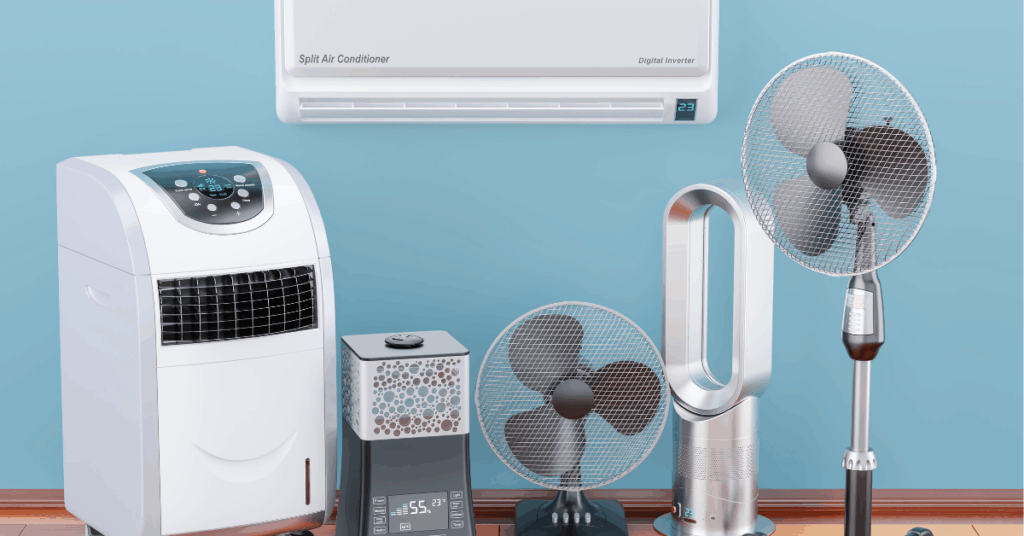
If you’re concerned about high costs, consider these cooling alternatives:
- Evaporative coolers (for dry climates)
- Whole-house fans
- Attic fans to vent hot air
- Dehumidifiers (reduce moisture and improve comfort)
- Zoned AC systems that only cool specific rooms
These alternatives can help supplement or reduce the load on your main air conditioning system.
Final Thoughts
The cost to run an air conditioner for 24 hours varies widely based on the type of system, home efficiency, and your energy habits. On average, it can cost between $3.84 and $13.44 per day, or up to $400 per month if run nonstop.
However, you can take several practical steps to lower those costs—from upgrading equipment and insulation to optimizing thermostat settings and scheduling regular maintenance. With the right approach, staying cool doesn’t have to come at a financial or environmental cost.