

Choosing the right HVAC (Heating, Ventilation, and Air Conditioning) system is one of the most crucial decisions you can make when it comes to maintaining comfort in your home or business, especially in Southwest Florida, where the temperatures can soar during the summer months. A well-selected HVAC system not only ensures that you remain cool in the heat but also helps you save energy, reduce utility costs, and maintain good indoor air quality.
With the wide variety of HVAC systems available, how do you know which one is right for you? In this blog post, we’ll explore key considerations for selecting the ideal HVAC system for your home or business in Southwest Florida, covering factors like energy efficiency, system types, sizing, and professional installation.
Why Choosing the Right HVAC System is Important
Choosing the right HVAC system is essential for several reasons:
- Comfort: The primary purpose of an HVAC system is to maintain a comfortable indoor environment, regardless of the weather outside. In Southwest Florida, where temperatures regularly climb above 90°F in the summer, a reliable AC system is crucial for staying cool and comfortable.
- Energy Efficiency: An inefficient HVAC system can drive up your energy bills. Choosing an energy-efficient system that matches your needs will help you save money in the long run.
- Air Quality: The right HVAC system can also improve the air quality in your home or business. Proper ventilation and filtration are key to reducing allergens, dust, and other pollutants in the air.
- Longevity and Reliability: Investing in the right HVAC system can extend the lifespan of your system. A well-suited system that’s properly installed and maintained will last longer and require fewer repairs.
- Environmental Impact: A modern, energy-efficient HVAC system helps reduce your carbon footprint, contributing to a more sustainable environment.
Now, let’s take a look at how you can select the HVAC system that best suits your needs.
Factors to Consider When Choosing the Right HVAC System
1. Type of HVAC System
The first step in choosing the right HVAC system is determining which type best suits your needs. The most common types of HVAC systems include:
a. Central Air Conditioning Systems
Central air conditioning systems are the most common HVAC systems found in homes and businesses. These systems consist of a central unit that cools air and distributes it through ducts to different rooms. Central AC systems are ideal for larger homes or businesses with multiple rooms, as they can cool the entire space evenly.
- Pros: Provides consistent cooling throughout the property, energy-efficient when sized correctly, good for larger spaces.
- Cons: Higher upfront installation costs, may require ductwork.
b. Ductless Mini-Split Systems
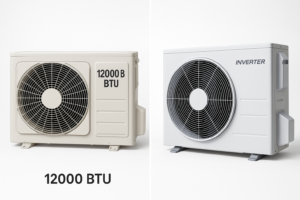
Ductless mini-split systems are a great option for smaller spaces or homes that do not have existing ductwork. These systems consist of an outdoor unit and one or more indoor units that cool specific rooms or zones. They are highly energy-efficient and provide flexible cooling, as each indoor unit can be controlled individually.
- Pros: Energy-efficient, easy to install in homes without ducts, customizable for zoning.
- Cons: Limited to smaller spaces, higher upfront cost per unit.
c. Heat Pumps
A heat pump is a versatile HVAC system that works by extracting heat from the outside air and transferring it inside for heating or cooling purposes. Heat pumps are particularly effective in mild climates like Southwest Florida, as they can heat and cool a space efficiently.
- Pros: Dual-purpose (heating and cooling), energy-efficient, environmentally friendly.
- Cons: Less effective in extreme cold temperatures (though not a major issue in Southwest Florida).
d. Hybrid Systems
A hybrid HVAC system combines the benefits of both a traditional furnace and a heat pump. In the winter, the furnace provides heating, while the heat pump is used for cooling in the summer. Hybrid systems can be highly efficient and cost-effective, especially in climates with temperature fluctuations.
- Pros: Flexible, energy-efficient, effective for year-round comfort.
- Cons: More complex installation, higher upfront cost.
e. Window Units and Portable ACs
For smaller homes, apartments, or businesses, window units or portable AC units can be a budget-friendly solution. These units cool individual rooms and are easy to install and move.
- Pros: Affordable, easy to install, ideal for small spaces.
- Cons: Limited cooling capacity, less energy-efficient, noisy.
2. Energy Efficiency
Energy efficiency is one of the most important factors to consider when selecting your HVAC system. Energy-efficient systems will lower your utility bills while minimizing your environmental impact.
SEER Ratings
The efficiency of air conditioning systems is often measured by the Seasonal Energy Efficiency Ratio (SEER). The higher the SEER rating, the more energy-efficient the system is. In Southwest Florida, where air conditioning runs for much of the year, it’s important to choose an HVAC system with a high SEER rating to ensure long-term energy savings.
- Tip: Look for units with SEER ratings of 15 or higher for residential use. Commercial systems should aim for ratings of 16 or higher.
Energy Star Certification
Another way to ensure energy efficiency is to look for Energy Star-certified systems. These systems meet strict energy efficiency standards set by the U.S. Environmental Protection Agency (EPA), ensuring that they perform well while reducing energy consumption.
3. Sizing Your HVAC System
An improperly sized HVAC system is one of the most common causes of inefficiency and performance issues. A system that is too large or too small for your space will struggle to maintain a consistent temperature and may lead to increased energy consumption and higher utility bills.
a. Too Large
A system that is too large for your space will cool the air too quickly without properly dehumidifying the room. This can lead to uncomfortable conditions and higher energy costs. Additionally, the system will cycle on and off frequently, leading to wear and tear.
b. Too Small
A system that is too small for your space will struggle to keep up with cooling demands, resulting in longer run times and increased energy usage. This can also cause the system to overheat and break down more frequently.
The best way to determine the right size is to have a professional HVAC technician perform a Manual J Load Calculation, which takes into account factors such as the square footage, insulation, window size, and local climate to determine the optimal system size for your space.
4. Local Climate and Weather Considerations
Southwest Florida’s climate plays a significant role in determining the type of HVAC system you should choose. The region is known for its hot and humid summers, with temperatures often reaching above 90°F for extended periods. As a result, cooling efficiency is paramount, and air conditioning plays a central role in maintaining comfort.
For Southwest Florida residents, here are some important considerations:
- High Humidity: Look for systems with good dehumidification capabilities. Some air conditioning systems and heat pumps offer features designed specifically to remove excess moisture from the air.
- Heat Pumps for Mild Winters: Since winters in Southwest Florida are mild, a heat pump can provide both heating and cooling, making it a great year-round solution.
- Energy Efficiency: Given the long cooling season, choosing a high-SEER unit will save you money and reduce your carbon footprint.
5. Professional Installation and Maintenance
Even the best HVAC system won’t perform to its full potential if it’s not installed or maintained properly. It’s crucial to hire a licensed and experienced HVAC professional for installation and regular maintenance.
Why Professional Installation Matters
Professional installation ensures that your system is correctly sized, set up, and calibrated for optimal performance. It also guarantees that the system is compliant with local building codes and manufacturer warranties.
Regular Maintenance
Once your system is installed, regular maintenance is key to keeping it running efficiently. This includes changing filters, checking refrigerant levels, cleaning ducts, and ensuring all components are functioning properly. A well-maintained HVAC system will last longer, perform better, and require fewer repairs.
6. Budget and Financing Options
The cost of purchasing and installing a new HVAC system can vary significantly based on the size of your property, the type of system you choose, and the complexity of the installation. It’s essential to factor in both the upfront cost and long-term savings when making your decision.
Many HVAC companies, including Manasota Cooling & Heating, offer financing options that allow you to spread the cost of your system over time. This can make it more affordable to install a high-quality, energy-efficient system without straining your budget.
Conclusion
Choosing the right HVAC system for your home or business in Southwest Florida is essential for ensuring comfort, energy efficiency, and indoor air quality. By considering factors such as system type, energy efficiency, sizing, local climate, and professional installation, you can select an HVAC system that meets your needs and provides long-term value.
Remember that a well-maintained HVAC system not only keeps you comfortable but also helps you save money on utility bills and extends the lifespan of your equipment. Be sure to consult with a licensed HVAC professional to make the right choice and keep your system running smoothly for years to come.