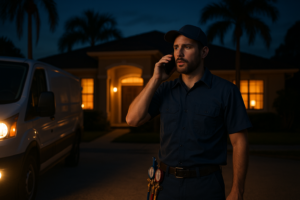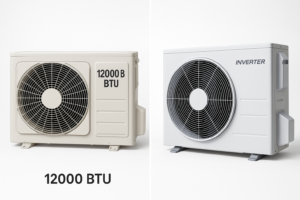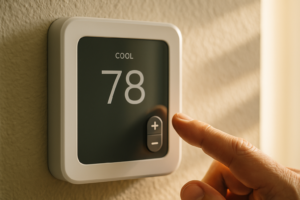


When your air conditioner stops working during a 95-degree Florida afternoon, finding reliable ac repair becomes your top priority. Southwest Florida homeowners face unique cooling challenges, from salt air corrosion in coastal areas to relentless humidity that makes AC systems work overtime. Therefore, understanding when you need repairs, what to expect, and how to choose the right service provider can save you thousands of dollars and prevent emergency breakdowns during the hottest months.
Quick Answer: AC repair involves diagnosing and fixing problems with residential air conditioning systems, including component replacement, refrigerant recharging, electrical repairs, and system adjustments. Florida homeowners typically need repairs every 3-5 years due to high usage demands, with costs ranging from $150 for minor fixes to $2,500 for major component replacements like compressors or evaporator coils.
What Is AC Repair and Why Does It Matter in Florida?
AC repair is the process of identifying, diagnosing, and fixing malfunctions in residential cooling systems to restore proper operation and efficiency. In Southwest Florida, where air conditioners run 8-10 months per year, timely repairs prevent minor issues from escalating into complete system failures.
Florida’s climate creates particularly harsh conditions for air conditioning equipment. Moreover, the combination of high humidity, salt air exposure in coastal communities like Venice and Englewood, and near-constant operation puts extraordinary stress on AC components. Consequently, systems in our region often require professional attention more frequently than units in northern climates.
Regular maintenance can prevent many repairs, but even well-maintained systems eventually need professional intervention. In fact, components like capacitors, contactors, and fan motors have finite lifespans that wear out regardless of maintenance quality. Additionally, refrigerant leaks, drainage problems, and electrical issues can develop suddenly, requiring immediate professional diagnosis.
Understanding the difference between routine maintenance and actual repairs helps homeowners make better decisions. While maintenance involves preventive tasks like cleaning and inspection, repairs address specific malfunctions that prevent your system from cooling effectively or operating safely.
10 Warning Signs You Need AC Repair Now
Recognizing problems early can prevent costly emergency repairs and extend your system’s lifespan. Furthermore, addressing issues promptly protects your home from humidity damage and maintains indoor air quality during Florida’s brutal summer months.
1. Warm Air Blowing From Vents
When your system blows warm or room-temperature air instead of cool air, something has definitely gone wrong. This problem often indicates compressor failure, refrigerant leaks, or thermostat malfunctions. In Sarasota and North Port homes, this issue becomes unbearable within hours due to our intense heat and humidity.
2. Weak Airflow Throughout Your Home
Reduced airflow suggests blocked ducts, failing blower motors, or clogged air filters that have become compacted beyond normal replacement schedules. Additionally, weak airflow forces your system to run longer cycles, increasing energy costs and accelerating wear on components.
3. Strange Noises During Operation
Grinding, squealing, banging, or clicking sounds indicate mechanical problems that need immediate attention. For example, grinding noises often signal bearing failure in motors, while banging suggests loose or broken internal components. These sounds rarely resolve themselves and typically worsen rapidly.
4. Unusual Odors From Your System
Musty smells indicate mold growth in ductwork or the evaporator coil, a common problem in humid Port Charlotte and Punta Gorda homes. Meanwhile, burning odors suggest electrical problems or overheating components that pose fire hazards. According to the U.S. Consumer Product Safety Commission, unusual burning smells from appliances should never be ignored.
5. Excessive Moisture or Leaks Around the Unit
While condensation is normal, pooling water or active leaks signal drainage problems or refrigerant leaks. Therefore, water accumulation near your indoor unit requires professional diagnosis to prevent water damage and mold growth. Refrigerant leaks also reduce cooling capacity and can pose health risks.
6. Frequent Cycling or Constant Running
Short cycling, where your system turns on and off repeatedly, wastes energy and indicates thermostat problems, refrigerant issues, or oversized equipment. Conversely, systems that run continuously without reaching the set temperature struggle with inadequate capacity, refrigerant loss, or failing compressors.
7. Rising Energy Bills Without Usage Changes
Sudden increases in electric bills without corresponding usage changes suggest efficiency loss from failing components. In addition, worn parts force your system to work harder to achieve the same cooling, consuming significantly more electricity in the process.
8. Humidity Problems Inside Your Home
Air conditioners remove humidity as part of the cooling process, so persistent indoor humidity indicates system problems. This issue particularly affects Osprey and Nokomis residents near the coast, where outdoor humidity levels already challenge AC systems. Excessive indoor humidity promotes mold growth and damages furnishings.
9. Thermostat Not Responding Properly
When your thermostat fails to maintain set temperatures or displays erratic readings, the problem may lie in the thermostat itself or the communication between the thermostat and your AC system. Therefore, professional diagnosis determines whether you need thermostat replacement or system repairs.
10. Ice Formation on Refrigerant Lines or Coils
Ice buildup on refrigerant lines or the indoor coil indicates serious problems with refrigerant levels, airflow restrictions, or mechanical failures. Consequently, continuing to operate an icing system can cause compressor damage that transforms a moderate repair into a major expense.
How Does the AC Repair Process Work?
Understanding the repair process helps you know what to expect when you schedule service and ensures you work with qualified professionals. Moreover, reputable contractors follow systematic diagnostic procedures rather than guessing at solutions.
The process begins with a thorough diagnostic inspection where technicians examine all system components, test electrical connections, measure refrigerant pressures, and evaluate airflow. This comprehensive assessment identifies the root cause rather than just addressing symptoms. For homeowners seeking detailed information about this process, our AC Repair Costs Explained: What Florida Homeowners Can Expect guide provides additional insights.
Once technicians identify the problem, they explain findings to homeowners, provide repair options, and offer upfront pricing before beginning work. Transparent communication at this stage prevents surprises and allows you to make informed decisions about repairs versus replacement.
The actual repair work varies based on the specific problem but typically involves replacing worn components, repairing or recharging refrigerant, fixing electrical connections, or adjusting system settings. Licensed technicians use manufacturer-approved parts and follow proper procedures to ensure lasting repairs.
After completing repairs, professionals test the entire system to verify proper operation, check refrigerant levels, measure temperature differentials, and ensure all safety controls function correctly. This final verification confirms that your system will operate reliably rather than experiencing immediate repeat failures.
What Affects AC Repair Costs in Southwest Florida?
Several factors influence repair costs, and understanding these variables helps you budget appropriately and evaluate estimates from different contractors. Furthermore, knowing cost factors helps you identify unusually high quotes that may indicate overcharging.
The specific component requiring replacement significantly impacts costs, with simple parts like capacitors costing $150-$400 to replace while major components like compressors or evaporator coils run $1,200-$2,500. Additionally, labor costs vary based on repair complexity and accessibility of components.
System age affects repair economics because older systems may require discontinued parts or multiple simultaneous repairs as various components near the end of their useful life. Therefore, repairs on systems over 12-15 years old sometimes cost more than they provide in value, making replacement more sensible.
Refrigerant type influences costs significantly, particularly for older systems using R-22 refrigerant, which has been phased out and now costs substantially more than modern R-410A refrigerant. In fact, refrigerant-related repairs on R-22 systems often trigger replacement decisions due to ongoing refrigerant expense.
Emergency service timing increases costs, as after-hours, weekend, or holiday repairs typically carry premium pricing. However, delaying emergency repairs during Southwest Florida summers risks heat-related health issues and property damage from humidity.
Warranty coverage can dramatically reduce out-of-pocket costs when parts remain under manufacturer warranty, though labor charges still apply. Consequently, keeping warranty documentation and understanding coverage terms protects your investment.
Typical repair costs in North Port, Venice, and surrounding areas range from $150 for simple fixes like thermostat replacement to $2,500 for major repairs like compressor replacement. Most common repairs, including capacitor replacement, contactor replacement, and minor refrigerant leak repairs, fall in the $200-$800 range.
How to Choose a Reliable AC Repair Company
Selecting the right contractor protects you from poor workmanship, overcharging, and unnecessary repairs. Moreover, working with experienced local professionals ensures they understand Florida-specific challenges like salt air corrosion and humidity-related issues.
Start by verifying proper licensing and insurance, as Florida requires air conditioning contractors to hold state licenses. Licensed contractors demonstrate technical competency and carry liability insurance that protects you from potential damages during repairs. Additionally, workers’ compensation insurance protects you from liability if technicians are injured on your property.
Check online reviews and ratings on multiple platforms to identify patterns in customer experiences. However, focus on recent reviews since companies change over time, and look for comments about transparency, quality, and follow-through on warranties.
Request detailed written estimates that itemize parts, labor, and any additional charges before authorizing work. Reputable contractors provide clear pricing and explain exactly what repairs they recommend and why. In contrast, vague estimates or pressure to approve work immediately often signal unprofessional operations.
Ask about warranties on both parts and labor, as quality contractors stand behind their work with service guarantees. Manufacturer warranties cover parts, but labor warranties demonstrate contractor confidence in their workmanship.
Evaluate communication quality and responsiveness, since contractors who communicate clearly during estimates typically maintain that standard throughout the repair process. Furthermore, companies that answer questions patiently and explain technical issues in understandable terms help you make better decisions.
Consider local experience and specialization, as contractors familiar with coastal Florida conditions in Port Charlotte, Englewood, and Laurel understand unique regional challenges. Local companies also respond faster to service calls and maintain reputations within the communities they serve.
When Should You Repair vs. Replace Your AC System?
This decision significantly impacts your finances and home comfort, so understanding the factors helps you make the right choice. Additionally, contractors should help you evaluate this decision objectively rather than automatically recommending the option that benefits them most.
Age is the primary consideration, as systems approaching 15-20 years old often warrant replacement rather than major repairs. Older systems operate less efficiently, use outdated refrigerant, and increasingly require repairs as multiple components near failure. Therefore, investing $1,500 in repairs on a 16-year-old system rarely makes financial sense.
Calculate the 50% rule, which suggests replacing systems when repair costs exceed 50% of replacement cost for systems over halfway through their expected lifespan. For example, a $1,800 repair on a 12-year-old system (expected lifespan 15-20 years) often warrants replacement instead.
Consider efficiency gains, as modern systems operate significantly more efficiently than units manufactured even 10 years ago. Consequently, replacement often pays for itself through energy savings over time, particularly given Florida’s long cooling season and high electricity rates.
Evaluate refrigerant type, since systems using R-22 refrigerant face ongoing expense and limited availability. Repairs requiring significant R-22 refrigerant often trigger replacement decisions, as the refrigerant cost alone approaches replacement system costs.
Assess comfort issues, because struggling systems that can’t maintain comfortable temperatures or humidity levels provide limited value regardless of repair costs. Sometimes replacing rather than repairing makes sense simply to restore adequate comfort.
Factor in repair frequency, as systems requiring professional attention multiple times per year consume time and money better invested in reliable new equipment. Moreover, frequent repairs indicate systemic problems that won’t resolve with component replacement.
Frequently Asked Questions About AC Repair
How often do AC systems need repairs in Florida?
Most well-maintained systems require professional repairs every 3-5 years, though Florida’s demanding climate and extended cooling season sometimes necessitate more frequent attention. Regular maintenance reduces repair frequency significantly.
Can I repair my AC system myself?
Simple tasks like changing filters or cleaning debris from outdoor units are appropriate for homeowners. However, repairs involving refrigerant, electrical components, or internal parts require licensed professionals due to safety concerns and Florida licensing laws.
How long do AC repairs typically take?
Simple repairs like capacitor or thermostat replacement take 1-2 hours, while complex repairs involving refrigerant leak detection or major component replacement may require 3-6 hours or multiple visits. Technicians should provide time estimates after diagnosing the problem.
What’s covered under AC repair warranties?
Most contractors warranty labor for 1-2 years, while manufacturer warranties cover parts for 5-10 years depending on the component. However, warranties typically exclude damage from improper maintenance or unauthorized repairs.
Should I repair my AC before or after hurricane season?
Schedule preventive maintenance before hurricane season begins in June, as this identifies potential problems before extreme heat arrives. Additionally, contractors become extremely busy once temperatures peak, so early service ensures faster scheduling.
How do I know if I’m being overcharged for repairs?
Obtain multiple detailed written estimates, research typical costs for specific repairs, and ask contractors to explain charges thoroughly. Transparent professionals welcome questions and provide clear justifications for their pricing.
Does homeowners insurance cover AC repairs?
Standard homeowners insurance typically doesn’t cover repairs from normal wear and tear but may cover damage from covered perils like lightning strikes or hurricanes. Review your policy or contact your insurance agent for specific coverage details.
Keep Your Southwest Florida Home Cool with Manasota Cooling & Heating
Your air conditioning system works harder in Southwest Florida than almost anywhere else in the country, making reliable ac repair service essential to home comfort and property protection. At Manasota Cooling & Heating, we’ve served North Port, Port Charlotte, Sarasota, Venice, Punta Gorda, Englewood, Nokomis, Osprey, and Laurel for years with honest diagnostics, upfront pricing, and quality workmanship backed by our service guarantee. Our licensed technicians understand the unique challenges Florida homeowners face, from salt air corrosion to humidity control, and we provide same-day emergency service when your system fails during critical times. Contact us today for fast, reliable AC repair that restores your comfort and protects your investment in your home cooling system.