

AC repair is one of the most common home maintenance needs in Florida, where air conditioning systems work overtime battling heat, humidity, and salt air. Whether you’re dealing with a sudden breakdown during summer or planning for routine fixes, understanding what you’ll pay helps you budget smartly and avoid surprises. Most Florida homeowners will spend between $150 and $600 for typical repairs, though costs vary widely based on the problem, equipment age, and whether you need emergency service.
Quick Answer: AC repair costs in Florida typically range from $150 to $600 for common issues like capacitor replacement, refrigerant recharge, or thermostat fixes. Emergency repairs during peak summer months can cost 50-100% more due to after-hours service fees. Complex repairs involving compressors or coil replacement may exceed $1,500, while diagnostic visits typically run $75-$150.
What Factors Affect AC Repair Pricing in Florida?
Understanding the cost drivers behind air conditioning repairs helps you evaluate quotes and make informed decisions. Additionally, knowing these factors empowers you to ask the right questions when contractors provide estimates.
1. Type of Repair Needed
The specific component that needs fixing has the biggest impact on your final bill. For example, replacing a capacitor typically costs $150-$400, while compressor replacement can run $1,200-$2,800. Refrigerant leaks require both repair and recharge, often totaling $350-$1,000 depending on the leak location and refrigerant type. Furthermore, electrical repairs, thermostat replacement, and condensate drain cleaning fall on the lower end of the cost spectrum at $100-$400.
2. Equipment Age and Type
Older systems often cost more to repair because parts become scarce and labor-intensive to access. Moreover, newer high-efficiency units may require specialized parts that cost more upfront but improve long-term performance. Ductless mini-split systems have different repair costs compared to traditional central air, and the number of indoor units affects pricing. Systems over 12-15 years old may warrant replacement consideration rather than expensive repairs.
3. Time of Service Call
Emergency AC repair during Florida’s brutal summer months, especially on weekends or holidays, carries premium pricing. In fact, after-hours service fees can add $100-$300 to your base repair cost. Regular business hours typically offer the most affordable rates, while holiday emergencies command the highest premiums. As a result, scheduling preventive maintenance during off-peak months like November through March can help you avoid these surcharges entirely.
4. Location Within the Service Area
Service call fees vary slightly across our coverage area, though differences are usually modest. Homes in North Port, Port Charlotte, Sarasota, Venice, Punta Gorda, Englewood, Nokomis, Osprey, and Laurel typically see similar pricing structures. However, extremely remote locations or properties requiring longer drive times may incur slightly higher trip charges. Coastal properties often face more corrosion-related issues due to salt air, potentially increasing repair frequency.
5. System Size and Complexity
Larger homes with multi-zone systems or multiple AC units naturally cost more to repair than single-unit systems. Similarly, complex installations with hard-to-access equipment increase labor time and therefore costs. Tonnage affects both parts pricing and refrigerant quantities needed for recharges. Systems integrated with smart home technology may require technicians with specialized training, potentially affecting labor rates.
What Are the Most Common AC Repairs and Their Costs?
Florida’s demanding climate creates predictable wear patterns on air conditioning equipment. Therefore, certain repairs appear far more frequently than others in our service area.
1. Capacitor Replacement ($150-$400)
Capacitors help start your AC’s motors and fail regularly in Florida’s heat. In fact, this ranks as one of the most common service calls between May and September. Symptoms include the outdoor unit not starting, humming sounds, or the system running briefly then shutting off. Fortunately, capacitor replacement is relatively quick and affordable.
2. Refrigerant Leak Repair and Recharge ($350-$1,000)
Refrigerant leaks reduce cooling capacity and can damage your compressor if left unaddressed. Technicians must locate the leak, repair it, pressure test the system, then recharge with the appropriate refrigerant. The Environmental Protection Agency regulates refrigerant handling, requiring certified technicians for this work. Costs vary based on leak location, refrigerant type (R-410A vs. older R-22), and pounds needed.
3. Contactor Replacement ($150-$350)
Contactors are electrical switches that control power to major components. They wear out from the constant cycling Florida systems endure, especially during summer. Meanwhile, symptoms include clicking sounds, the outdoor unit not running, or intermittent operation. This repair is straightforward but requires electrical expertise for safety.
4. Condensate Drain Cleaning ($100-$250)
Florida’s humidity means your AC removes gallons of water daily. Consequently, condensate drains clog with algae, mold, and debris, causing water backups and system shutdowns. Regular maintenance prevents most drain issues, but neglected systems often need professional cleaning. Some newer systems have secondary overflow protection that shuts down the AC before water damage occurs.
5. Thermostat Replacement ($150-$400)
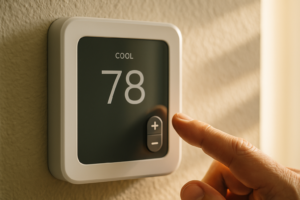
Faulty thermostats cause temperature control problems, short cycling, or complete system failure. Upgrading to a programmable or smart thermostat during replacement can improve efficiency and comfort. Installation complexity varies based on your system’s wiring and the new thermostat’s features. Basic digital thermostats cost less than advanced Wi-Fi enabled models with app control.
6. Fan Motor Replacement ($400-$800)
Both indoor blower motors and outdoor fan motors eventually fail, especially in systems running year-round. Moreover, motors work harder in Florida’s heat and humidity, accelerating wear. Symptoms include weak airflow, unusual noises, or complete air circulation failure. Motor replacement requires proper sizing and electrical connections for safe, efficient operation.
How Much Does Emergency AC Repair Cost?
Emergency situations demand immediate attention, and pricing reflects that urgency. When your AC fails during a Florida heatwave, the discomfort and potential health risks justify premium service rates.
Most companies charge emergency service fees ranging from $100-$300 above standard rates for after-hours, weekend, or holiday calls. For example, a capacitor replacement that normally costs $250 during business hours might total $400-$450 as an emergency repair on Sunday afternoon. However, the alternative of enduring Florida heat and humidity without cooling often makes emergency service worthwhile.
Furthermore, emergency calls don’t always mean expensive repairs. Sometimes the issue is simple, like a tripped breaker or clogged filter, resulting in minimal charges beyond the service fee. Reputable contractors apply emergency fees to the total repair cost, so you’re not paying extra just for the privilege of same-day service.
Peak emergency pricing occurs during hurricane season when demand spikes and technician availability drops. Indeed, preparing your system with pre-season maintenance significantly reduces the likelihood of needing emergency repairs during these critical periods.
How Can You Reduce Your AC Repair Costs?
Smart homeowners take proactive steps to minimize both repair frequency and costs. Moreover, these strategies extend your equipment’s lifespan while maintaining comfort.
1. Schedule Regular Maintenance
Preventive maintenance twice annually catches small issues before they become expensive failures. In addition, technicians clean critical components, lubricate moving parts, and test system performance. This proactive approach typically costs $89-$199 per visit but can prevent repairs costing hundreds or thousands. Many contractors offer maintenance plans with discounted rates and priority service.
2. Replace Filters Monthly
Florida’s pollen, dust, and humidity demand frequent filter changes. Consequently, dirty filters restrict airflow, forcing your system to work harder and potentially damaging components. Standard 1-inch filters should be changed monthly during peak cooling season. This simple $5-$15 monthly expense prevents costly blower motor and coil problems.
3. Address Issues Promptly
Strange noises, weak cooling, or unusual cycling patterns indicate developing problems. Therefore, calling for service early often means simpler, cheaper repairs. For instance, a refrigerant leak caught early might cost $350, while delayed repair could damage the compressor and total $2,000-$3,000. For comprehensive guidance on recognizing warning signs, read our complete guide to AC repair for Florida homeowners.
4. Clear Vegetation Around Outdoor Units
Landscaping crowding your condenser restricts airflow and accelerates wear. Similarly, maintain at least 2 feet of clearance around all sides of outdoor units. Trim shrubs regularly and remove fallen leaves or debris. This free preventive step improves efficiency and reduces strain on components.
5. Use Programmable Thermostats Wisely
Raising your thermostat a few degrees when you’re away reduces system runtime and wear. Additionally, programmable thermostats optimize cooling schedules without sacrificing comfort when you’re home. Each degree above 72°F saves approximately 3% on cooling costs while reducing equipment strain.
6. Consider a Maintenance Plan
Annual or bi-annual maintenance agreements provide regular tune-ups, priority scheduling, and repair discounts. Furthermore, these plans include benefits like waived service call fees and extended labor warranties. Plans typically cost $150-$300 annually, paying for themselves through discounts and prevented failures.
What Should You Expect During an AC Repair Visit?
Understanding the repair process helps you evaluate service quality and recognize professional conduct. On the other hand, knowing what’s normal prevents confusion during the appointment.
Initial Assessment and Diagnosis
Technicians begin by discussing symptoms with you and checking thermostat settings. Next, they inspect both indoor and outdoor equipment, testing electrical connections, refrigerant pressures, and component operation. Diagnostic fees typically run $75-$150 and usually apply toward repair costs if you proceed with recommended work.
Repair Estimate and Approval
After diagnosing the problem, reputable technicians explain the issue, recommended repair, and cost before starting work. Moreover, they should answer your questions and discuss alternative options if available. You’ll receive a written estimate and timeline for completing repairs. Never feel pressured to approve work without understanding what’s being fixed and why.
Parts and Labor
Technicians often carry common parts on their trucks, enabling same-visit repairs. However, unusual components may require ordering, extending the timeline. Labor rates in Florida typically range from $75-$150 per hour, varying by company and technician certification level. Quality contractors use manufacturer-approved or equivalent parts with warranties.
Testing and Verification
After completing repairs, technicians test the system thoroughly to verify proper operation. In addition, they measure temperatures, check refrigerant pressures, and monitor electrical performance. This quality assurance step ensures the repair solves the problem and your system operates safely and efficiently.
Documentation and Warranty
You should receive an itemized invoice detailing parts, labor, and warranty information. Furthermore, reputable companies warranty both parts and labor, typically 30-90 days or longer. Keep this documentation for your home maintenance records and future reference.
When Should You Replace Instead of Repair Your AC?
Sometimes repair costs approach or exceed the value of replacing your system entirely. As a result, smart homeowners evaluate this decision carefully using several key factors.
The “50% rule” provides useful guidance: if repair costs exceed 50% of a new system’s price and your unit is over 10 years old, replacement usually makes more financial sense. For example, a $1,500 compressor repair on a 14-year-old system that would cost $4,000-$5,000 to replace suggests replacement is the better investment.
Additionally, consider your system’s efficiency. Units over 12-15 years old operate far less efficiently than modern equipment, meaning higher monthly utility bills. Replacement with a high-efficiency system often pays for itself through energy savings over 10-15 years.
Frequent repairs signal declining reliability. If you’ve needed multiple service calls within the past two years, your system is telling you it’s nearing the end of its useful life. Moreover, the stress and discomfort of repeated failures often justifies replacement even if individual repairs seem affordable.
Florida’s demanding climate shortens AC lifespan compared to milder climates. Consequently, systems running year-round typically last 12-15 years rather than the 15-20 years possible in areas with distinct seasons. Coastal properties face additional challenges from salt air corrosion, potentially reducing equipment life further.
Frequently Asked Questions About AC Repair Costs
What is the average cost of AC repair in Florida?
Most Florida homeowners pay between $150-$600 for common AC repairs like capacitor replacement, refrigerant recharge, or thermostat issues. Complex repairs involving compressors or coil replacement can exceed $1,500, while simple fixes may cost under $200.
How much does emergency AC repair cost?
Emergency AC repair typically adds $100-$300 to standard repair costs for after-hours, weekend, or holiday service. The total cost depends on the repair needed plus the emergency service premium.
Are AC repair costs covered by homeowners insurance?
Standard homeowners insurance rarely covers AC repair from normal wear and tear. However, damage from covered perils like lightning strikes or hurricanes may be covered. Check your specific policy for HVAC equipment coverage.
How often do air conditioners need repair in Florida?
Well-maintained Florida AC systems typically need repair every 2-4 years, though frequency increases as equipment ages. Regular maintenance significantly reduces unexpected breakdowns and repair needs.
When is the cheapest time to schedule AC repair?
Non-emergency repairs scheduled during business hours in fall or winter typically cost less than peak summer repairs. Additionally, scheduling during off-peak months often means faster service and better technician availability.
Should I get multiple quotes for AC repair?
For expensive repairs exceeding $1,000, getting 2-3 quotes makes financial sense. However, for urgent repairs under $500, the delay and additional diagnostic fees may outweigh potential savings.
What parts are most expensive to repair on an AC unit?
Compressors rank as the most expensive single component to replace, costing $1,200-$2,800 including labor. Coil replacement and complete blower assembly replacement also rank among the priciest repairs.
Trust Manasota Cooling & Heating for Transparent AC Repair Pricing
At Manasota Cooling & Heating, we believe Florida homeowners deserve honest pricing and expert service without surprises. Our certified technicians provide upfront estimates before starting work, explaining exactly what needs repair and why. We’ve served North Port, Port Charlotte, Sarasota, Venice, Punta Gorda, Englewood, Nokomis, Osprey, and Laurel for years, building our reputation on quality workmanship and fair pricing. Whether you need emergency repair during a summer heatwave or want to schedule preventive maintenance to avoid breakdowns, our team is ready to keep your home comfortable year-round. Contact us today for fast, reliable AC repair service you can trust.