

As a homeowner in Sarasota, keeping your HVAC system in top condition is essential to ensure a comfortable living environment year-round. Florida’s hot, humid summers and unpredictable winters put a lot of strain on your HVAC system, making regular maintenance appointments a must.
But what exactly happens during an HVAC maintenance appointment? Many homeowners aren’t sure what to expect, which can lead to confusion or missed opportunities to maintain their systems properly. Whether you’re new to HVAC care or have had maintenance appointments before, understanding what your technician will do during a service visit can help you make the most of the experience.
In this blog post, we’ll walk you through the typical steps of an HVAC maintenance appointment, why each step is important, and how you can benefit from staying on top of regular maintenance.
The Importance of Regular HVAC Maintenance
Before diving into what to expect during your HVAC maintenance appointment, let’s quickly review why maintenance is so important. Sarasota’s tropical climate means your HVAC system works year-round, and it can take a toll over time. Regular maintenance helps:
- Increase Efficiency: Regular maintenance ensures that your system is running at peak efficiency, which can save you money on energy bills.
- Extend the Life of Your System: A well-maintained HVAC system can last longer, helping you avoid costly replacements.
- Prevent Unexpected Breakdowns: Maintenance helps catch small issues before they become major problems, reducing the likelihood of emergency repairs.
- Improve Air Quality: Dirty filters, ducts, and coils can negatively impact the air quality in your home. Regular servicing ensures cleaner, healthier air.
- Ensure System Safety: HVAC systems involve electrical components and refrigerant. Proper maintenance ensures everything is operating safely.
Now that we’ve covered why HVAC maintenance is essential, let’s take a closer look at what typically happens during a service appointment.
1. Scheduling Your HVAC Maintenance Appointment
The first step is scheduling your HVAC maintenance appointment. At Manasota Cooling, we recommend scheduling HVAC maintenance at least twice a year: once before the cooling season (typically in the spring) and once before the heating season (in the fall). This ensures that your system is ready to handle the high demands placed on it during Florida’s extreme weather.
When scheduling your appointment, you’ll be asked for some basic information, including the type of HVAC system you have, the age of the system, and any specific concerns or issues you’ve noticed. This helps the technician prepare for the service call.
Tip:
Make sure to ask about any service packages or discounts for regular maintenance customers. Many HVAC companies, including Manasota Cooling, offer service agreements that provide benefits like priority scheduling, discounted repairs, and free or discounted tune-ups.
2. Initial Inspection of the System
When the technician arrives at your home for the HVAC maintenance appointment, they will begin with an initial inspection of the system. This step is critical as it helps the technician assess the current condition of the unit and identify any potential issues.
What the Technician Will Check:
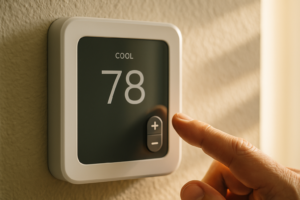
- Thermostat Calibration: The technician will verify that your thermostat is working correctly and calibrated to ensure accurate temperature control.
- System Start-Up: The technician will test your system by turning it on and observing how it functions. They’ll check for unusual noises, smells, or signs of system failure.
- Filter Check: Air filters play a vital role in system efficiency. The technician will inspect the filter for dirt and debris. If it’s dirty, they’ll recommend replacing it or do so as part of the maintenance service.
- Coil and Condenser Inspection: Dirty evaporator and condenser coils can reduce system efficiency, so these will be checked and cleaned if necessary.
By performing this initial inspection, the technician can identify any issues that may need attention during the appointment.
3. Cleaning of Essential Components
One of the most important parts of HVAC maintenance is cleaning. Over time, dirt, dust, and debris can accumulate on critical components, reducing system efficiency and potentially causing a breakdown.
Components That Are Cleaned:
- Air Filters: If your air filter is clogged, it will be replaced or cleaned (depending on the type). Clean filters ensure optimal airflow, which helps the system work efficiently.
- Coils: The evaporator and condenser coils are cleaned to remove dirt and dust buildup, which can reduce system efficiency and cause the system to overheat.
- Blower Components: The blower motor and blower wheel will be cleaned to ensure they function properly. A dirty blower can result in poor airflow and inconsistent temperatures.
- Drain Lines: HVAC systems have drainage lines that carry away excess moisture. The technician will ensure the drain is clear of blockages to prevent water damage and mold growth.
Benefits of Cleaning:
- Improved Efficiency: Cleaning removes obstructions that prevent airflow, allowing the system to cool or heat your home more effectively.
- Longer System Life: Regular cleaning can extend the lifespan of your system by preventing dirt and debris buildup that can cause wear and tear.
- Better Air Quality: Cleaning removes dust and allergens that can be circulating in your home, improving indoor air quality.
4. Checking Refrigerant Levels and Charging
In air conditioning systems, refrigerant plays a key role in heat exchange. Low refrigerant levels can prevent your system from cooling your home effectively. During your HVAC maintenance appointment, the technician will check the refrigerant levels to ensure they are adequate.
What the Technician Will Do:
- Check Refrigerant Pressure: The technician will check the refrigerant pressure using specialized tools. If the pressure is low, it may indicate a refrigerant leak or that the system needs a top-off.
- Refrigerant Recharge (If Needed): If the refrigerant level is low, the technician will recharge the system with the appropriate refrigerant.
It’s important to address refrigerant issues early, as low refrigerant levels can damage your system over time and result in costly repairs.
5. Inspecting Ductwork
Ductwork is another essential component that will be checked during your HVAC maintenance appointment. Over time, ducts can accumulate dust and debris, leading to inefficient airflow and poor indoor air quality.
What the Technician Will Check:
- Air Ducts: The technician will inspect your air ducts for any signs of leaks, blockages, or damage. Leaky ducts can cause conditioned air to escape, forcing your HVAC system to work harder.
- Insulation: Properly insulated ducts help maintain the temperature of the air as it travels through the system. The technician will check for any areas where insulation might be damaged or missing.
If necessary, the technician may recommend duct cleaning or sealing to improve system efficiency.
6. Performing a System Tune-Up
An HVAC system tune-up is a comprehensive check-up that ensures your system is running smoothly and efficiently. This includes lubricating moving parts, tightening loose connections, and checking for any signs of wear or damage.
Key Areas for Tune-Up:
- Lubricate Motors and Bearings: The technician will lubricate the motor and other moving parts to reduce friction and prevent wear.
- Tighten Loose Parts: Over time, screws and bolts may loosen. The technician will tighten these parts to ensure the system operates quietly and efficiently.
- Check Electrical Connections: The technician will check all electrical connections to ensure they are secure and functioning correctly. This step helps prevent potential electrical issues.
A full system tune-up can improve the overall performance and efficiency of your HVAC system, ensuring it operates at its best.
7. Final System Test and Feedback
After completing the maintenance tasks, the technician will run a final system test to ensure everything is functioning properly. They will check the system’s performance by monitoring temperature regulation, airflow, and overall efficiency.
What You Can Expect After the Test:
- Performance Evaluation: The technician will confirm that the system is cooling or heating your home effectively.
- Feedback on System Health: The technician will provide feedback on the condition of your system and let you know if any repairs or further maintenance are needed.
- Energy Efficiency Recommendations: If applicable, the technician may offer recommendations to improve the energy efficiency of your HVAC system, such as upgrading to a programmable thermostat or adding insulation to your home.
Conclusion
An HVAC maintenance appointment in Sarasota is crucial for ensuring your system runs efficiently and reliably. Regular maintenance not only helps prevent unexpected breakdowns but also improves energy efficiency, reduces utility costs, and extends the lifespan of your HVAC system.
By following these steps during your maintenance appointment, you can ensure that your system is in optimal condition and avoid costly repairs down the road. If you’re ready to schedule your HVAC maintenance, contact Manasota Cooling today. Our expert technicians will help keep your system running smoothly all year long.