

When your AC repair needs arise during Florida’s brutal summer months, you’ll hear plenty of advice from neighbors, online forums, and well-meaning relatives. However, much of this conventional wisdom ranges from outdated to downright harmful, costing homeowners in North Port, Sarasota, and Venice unnecessary money and discomfort. Understanding the truth behind common AC repair myths can help you make smarter decisions about your cooling system and avoid expensive mistakes.
Quick Answer: AC repair myths often mislead Florida homeowners into neglecting maintenance, attempting dangerous DIY fixes, or making poor purchasing decisions. The most costly myths include believing bigger systems are always better, that closing vents saves money, and that refrigerant needs annual top-offs. Professional HVAC contractors recommend twice-yearly maintenance, properly sized equipment, and immediate attention to unusual sounds or performance issues.
What Is AC Repair and Why Do Myths Matter?
AC repair involves diagnosing and fixing problems with your air conditioning system’s components, including the compressor, evaporator coil, condenser, refrigerant lines, thermostat, and ductwork. In Florida’s climate, where air conditioners run nearly year-round and face constant humidity, salt air in coastal areas like Punta Gorda and Englewood, and extreme heat, understanding proper repair practices becomes essential.
Myths matter because they influence homeowner behavior in ways that reduce system efficiency, shorten equipment lifespan, and increase energy costs. For example, delaying necessary repairs based on faulty assumptions can transform a $200 fix into a $3,000 replacement. Similarly, attempting DIY repairs without proper knowledge can damage expensive components or create safety hazards.
Florida’s unique climate conditions make some national HVAC advice irrelevant or counterproductive here. What works in moderate climates doesn’t necessarily apply when your system battles 95-degree temperatures and 80% humidity for eight months straight. Therefore, separating fact from fiction becomes critical for homeowners throughout the Sarasota-Venice-North Port region.
Top 10 AC Repair Myths Costing You Money
1. Myth: Refrigerant Needs Annual Refills
This myth costs Florida homeowners thousands of dollars annually. In fact, your AC system is a closed loop that should never need refrigerant added unless there’s a leak. Refrigerant doesn’t get “used up” like gasoline in your car.
If your technician recommends adding refrigerant every year or two, you have a leak that needs repair. Simply topping off refrigerant without fixing the leak wastes money and violates EPA regulations regarding refrigerant handling. Moreover, chronic leaks reduce efficiency, increase energy bills, and can damage your compressor, the most expensive component in your system.
Homeowners in Port Charlotte and Nokomis should insist that technicians locate and repair leaks before adding refrigerant. A proper repair might cost $300 to $1,500 depending on leak location, but it’s a one-time fix rather than an annual expense.
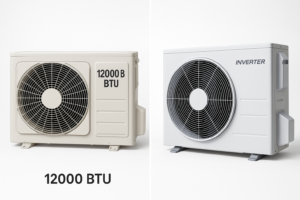
2. Myth: Bigger AC Systems Work Better
Many homeowners believe installing an oversized air conditioner will cool their home faster and more effectively. However, this represents one of the most expensive misconceptions in HVAC. Oversized systems short-cycle, turning on and off frequently without running long enough to remove humidity from your home.
In Florida’s humid climate, dehumidification matters as much as cooling. An oversized system might reach your thermostat’s temperature setting quickly, but it leaves your home feeling clammy and uncomfortable. Additionally, short-cycling increases wear on components, leading to more frequent AC repair needs and shorter equipment lifespan.
Professional load calculations consider your home’s square footage, insulation, window placement, ceiling height, and other factors. A properly sized 3-ton system will outperform an oversized 5-ton system every time, while costing less to operate and maintain.
3. Myth: Closing Vents in Unused Rooms Saves Money
This myth seems logical but actually increases energy costs and can damage your system. Modern air conditioners are designed to distribute air throughout your entire duct system. Closing vents creates pressure imbalances that force your system to work harder, increase air leaks in ductwork, and can even damage the blower motor.
Furthermore, closing vents doesn’t reduce the amount of air your system produces. It simply redirects that air, often pushing it through gaps and cracks in your ductwork into your attic or walls. For homeowners in Osprey and Laurel, where attic temperatures regularly exceed 130 degrees, this represents pure waste.
If you want zone control, consider installing a properly designed zoned system with dampers and multiple thermostats. Otherwise, leave all vents open and adjust your thermostat instead.
4. Myth: AC Maintenance Is Just a Money Grab
Some homeowners view preventive maintenance as unnecessary, believing they should only call for service when something breaks. This approach might seem cost-effective initially, but it dramatically increases long-term expenses.
Regular maintenance catches small problems before they become major failures. A dirty coil, loose electrical connection, or low refrigerant charge might not stop your system today, but each reduces efficiency and accelerates wear on other components. Additionally, most manufacturer warranties require documented annual maintenance to remain valid.
Maintenance typically costs $89 to $175 per visit in Southwest Florida. However, it can prevent emergency AC repair calls that cost $500 to $3,000, not to mention the discomfort of waiting for service during a heat wave. Most HVAC professionals recommend twice-yearly service for Florida homes given our extended cooling season.
5. Myth: You Can Diagnose AC Problems by Sound Alone
While unusual sounds often indicate problems, pinpointing the exact issue requires professional diagnosis. Homeowners who attempt repairs based on internet research about “rattling” or “humming” sounds often misidentify the problem and either waste money on unnecessary parts or make the situation worse.
For instance, a rattling sound might indicate something as simple as loose panels or as serious as a failing compressor. A humming noise could mean a stuck contactor, capacitor failure, or motor problems. Each requires different repairs with vastly different costs.
Professional technicians use specialized tools including multimeters, manifold gauges, and temperature sensors to accurately diagnose problems. What sounds similar to untrained ears might represent completely different issues requiring different solutions.
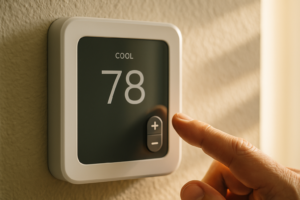
6. Myth: Setting the Thermostat Lower Cools Your Home Faster
Many Florida homeowners set their thermostat to 65 degrees hoping to cool their home from 82 to 75 faster. Unfortunately, air conditioners work at one speed, removing heat at a constant rate regardless of thermostat setting.
Setting your thermostat extremely low doesn’t accelerate cooling. Instead, it causes your system to run continuously until it reaches that lower temperature, wasting energy and money. Your home will reach 75 degrees at the same rate whether you set the thermostat to 75 or 65.
The best approach involves setting your desired temperature and being patient. If your system struggles to reach comfortable temperatures during peak heat, you may have inadequate capacity, poor insulation, or a system problem requiring professional attention.
7. Myth: Duct Tape Is Appropriate for Duct Repair
Despite its name, standard fabric duct tape fails quickly on HVAC ductwork, especially in Florida’s hot attics. The adhesive degrades in heat, and the tape peels away within months, allowing conditioned air to leak into unconditioned spaces.
Proper duct sealing requires mastic sealant or metal-backed foil tape specifically designed for HVAC applications. These materials withstand temperature extremes and create lasting seals. For homeowners in Venice and North Port with ductwork in attics, proper sealing can reduce cooling costs by 20% to 30%.
If you notice high energy bills or uneven cooling, leaky ductwork might be the culprit. Professional duct sealing represents one of the highest-return investments in home comfort and efficiency. For more guidance on when repairs make sense versus full system replacement, check out our complete guide to AC repair for Florida homeowners.
8. Myth: Outdoor Units Need Protective Covers During Hurricane Season
While protecting your AC seems sensible during Florida’s hurricane season, covering your outdoor unit during normal operation actually causes problems. Covers trap heat and moisture, promoting rust and reducing system efficiency. They can also provide shelter for rodents and insects that might damage wiring.
Your outdoor condenser is designed to withstand rain, sun, and normal weather. It needs airflow to operate properly. Only use covers designed specifically for air conditioners, and only during extended periods when the system isn’t running.
During hurricane preparation, the most important steps involve securing loose items that could become projectiles and knowing how to shut off power to your system if flooding threatens. After major storms, have your system inspected before operation to ensure salt spray, debris, or electrical surges haven’t caused damage.
9. Myth: All HVAC Technicians Provide Equal Service
Not all AC repair providers offer the same expertise, equipment, or service quality. Unlicensed handymen might charge less but lack proper training, insurance, and access to quality parts. They often create more problems than they solve, especially with complex modern systems.
Licensed HVAC contractors in Florida must pass state examinations, carry insurance, and continue education on new technologies and codes. They have proper diagnostic equipment and access to manufacturer support. Additionally, they pull permits for installations and major repairs, ensuring work meets safety codes.
When selecting an AC repair company in Sarasota, Punta Gorda, or surrounding areas, verify licensing, check reviews, and ask about experience with your specific system type. The cheapest option rarely provides the best value, especially when dealing with expensive HVAC equipment.
10. Myth: Filters Only Need Changing Every Six Months
Standard advice suggests changing filters every three to six months. However, in Florida’s climate with extended AC operation, dusty conditions, and high pollen counts, filters need more frequent attention. Most Florida homes require monthly filter changes, especially during peak cooling season.
Dirty filters restrict airflow, forcing your system to work harder and reducing efficiency by up to 15%. They also allow dust and debris to accumulate on evaporator coils, further reducing performance and potentially causing freeze-ups. In homes with pets, multiple occupants, or residents with allergies, filters may need changing every two to three weeks.
Checking your filter monthly takes two minutes and costs nothing. Replacement filters cost $5 to $30 depending on type and quality. This simple maintenance task prevents hundreds of dollars in AC repair costs and improves indoor air quality significantly.
How Much Does AC Repair Cost in Southwest Florida?
Understanding typical AC repair costs helps you budget appropriately and recognize when quotes seem unreasonable. In the North Port, Sarasota, and Venice areas, costs vary based on problem complexity, parts required, and service provider.
Common repairs include capacitor replacement ($150 to $350), contactor replacement ($150 to $400), thermostat replacement ($125 to $375), and refrigerant leak repair with recharge ($300 to $1,500). More expensive repairs involve compressor replacement ($1,200 to $2,800) and evaporator coil replacement ($900 to $2,200).
Emergency service during nights, weekends, or holidays typically adds $100 to $200 to standard rates. However, delaying repairs often causes additional damage that costs more than emergency fees would have. For example, ignoring a capacitor failure can lead to compressor damage, turning a $200 repair into a $2,000 replacement.
Most reputable companies offer free estimates for major work and charge diagnostic fees ($79 to $125) that apply toward repairs if you proceed. Regular maintenance contracts often include diagnostic visit discounts and priority scheduling during peak season.
System age also affects repair decisions. Generally, if repair costs exceed 50% of replacement cost and your system is more than 10 years old, replacement makes better financial sense. Modern systems offer significantly better efficiency, potentially saving $50 to $150 monthly on cooling costs in Florida homes.
What Should You Expect During Professional AC Repair?
Professional AC repair follows a systematic process designed to accurately diagnose problems and implement lasting solutions. Understanding this process helps you recognize quality service and avoid fly-by-night operators.
First, technicians should ask about symptoms, including when problems started, whether they’re constant or intermittent, and any unusual sounds, smells, or performance issues. This conversation provides clues that guide diagnostic testing.
Next, technicians perform visual inspections of both indoor and outdoor components, checking for obvious problems like damaged wiring, refrigerant leaks, or debris accumulation. They test system operation, measuring temperatures, airflow, and electrical values at various points.
For refrigerant issues, technicians use manifold gauges to check pressures and compare them to manufacturer specifications. They may inject UV dye to locate leaks or use electronic leak detectors. Electrical problems require multimeter testing of voltages, amperage, and continuity across components.
Professional technicians explain findings in understandable terms, provide written estimates for recommended repairs, and answer questions before proceeding. They use proper tools, follow manufacturer procedures, and test systems thoroughly after repairs to ensure proper operation.
Finally, quality service includes cleanup, paperwork documenting work performed and parts installed, and guidance on preventing future problems. Technicians should also review maintenance recommendations and answer questions about system operation and care.
When Should You Call for AC Repair Instead of Waiting?
Certain symptoms require immediate professional attention to prevent major damage or safety hazards. Recognizing these warning signs helps you avoid costly emergency situations.
Call immediately if you notice burning smells, which might indicate electrical problems or overheating components. Similarly, frozen indoor coils require prompt attention, as continued operation can damage the compressor. Unusual sounds like grinding, shrieking, or banging often indicate mechanical failures that worsen rapidly if ignored.
Refrigerant leaks also demand quick action. Besides reducing cooling capacity, refrigerant is expensive and environmentally harmful. Large leaks can damage other components, particularly the compressor, which relies on refrigerant for cooling and lubrication.
Complete system failure obviously requires service, but significantly reduced cooling capacity deserves attention even if your system still runs. Struggling systems consume more energy while providing less comfort, and the underlying problems typically worsen over time.
Water leaks around indoor units indicate condensate drain blockages or, more seriously, refrigerant leaks causing excessive condensation. Either way, water damage to your home’s structure and potential mold growth make prompt service worthwhile.
For Englewood and Nokomis homeowners, paying attention to humidity levels also matters. If your home feels muggy despite the AC running, your system likely isn’t operating properly. This might indicate refrigerant problems, airflow restrictions, or equipment sizing issues.
Frequently Asked Questions About AC Repair
How often does my AC need professional service in Florida?
Most HVAC professionals recommend twice-yearly service for Florida air conditioners due to our extended cooling season and harsh operating conditions. Ideally, schedule maintenance in spring before peak summer heat and again in fall. This frequency catches problems early and maintains peak efficiency year-round.
Can I perform any AC repairs myself safely?
Homeowners can safely change filters, clean debris from outdoor units, and keep condensate drains clear. However, repairs involving refrigerant, electrical components, or internal parts require professional licensing and specialized tools. DIY attempts on these systems often void warranties and create safety hazards.
What causes AC systems to fail during Florida summers?
The most common failure causes include dirty filters restricting airflow, failed capacitors from heat stress, refrigerant leaks, clogged condensate drains, and worn contactors. Florida’s extreme heat, constant operation, salt air in coastal areas, and afternoon thunderstorms create harsh operating conditions that accelerate component wear.
How long should a properly maintained AC system last in Florida?
Well-maintained systems in Florida typically last 12 to 15 years, somewhat shorter than the 15 to 20 years expected in moderate climates. Coastal locations with salt air exposure may see slightly shorter lifespans. Regular maintenance, quality installation, and proper sizing significantly influence longevity.
Should I repair or replace my aging AC system?
Consider replacement when repair costs exceed 50% of a new system’s cost, your unit is over 12 years old, you face frequent repairs, or your system uses obsolete R-22 refrigerant. Modern systems offer dramatically better efficiency that can offset replacement costs through lower energy bills within several years.
What’s the difference between AC service and AC repair?
AC service refers to preventive maintenance including inspection, cleaning, and tune-up to maintain performance and prevent problems. AC repair addresses specific malfunctions or component failures requiring diagnosis and corrective action. Regular service reduces repair frequency and extends equipment life.
Why do AC repairs seem more expensive in Florida?
Florida’s extended cooling season means systems work harder and longer, increasing wear and failure rates. Additionally, licensing requirements, insurance costs, and specialized training for humid climate challenges contribute to service costs. However, these factors also ensure quality work that addresses Florida-specific issues properly.
Trust Manasota Cooling & Heating for Honest AC Repair Service
At Manasota Cooling & Heating, we’ve heard every AC myth imaginable while serving homeowners throughout North Port, Port Charlotte, Sarasota, Venice, Punta Gorda, Englewood, Nokomis, Osprey, and Laurel. Our licensed technicians provide honest assessments, transparent pricing, and expert repairs that address your specific needs without unnecessary upsells. We understand Florida’s unique climate challenges and use that knowledge to deliver lasting solutions that keep your home comfortable year-round. Contact us today for reliable AC repair service backed by decades of local experience and a commitment to customer satisfaction.