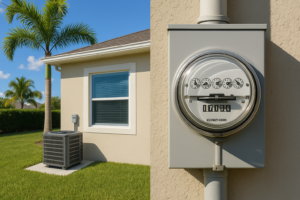


When your air conditioner fails during a brutal Florida summer, the first question on your mind is simple: how much does it cost to replace it? For homeowners in North Port, Sarasota, Venice, and throughout Southwest Florida, understanding AC replacement costs helps you budget for this major home investment and avoid getting caught off guard when your system finally gives out. The answer depends on several factors, from your home’s size to the type of system you choose, but most Florida homeowners spend between $3,500 and $12,000 for a complete AC replacement.
Quick Answer: AC replacement in Southwest Florida typically costs between $3,500 and $12,000, depending on system size, efficiency rating, and installation complexity. Most homeowners in North Port, Sarasota, and surrounding areas pay around $5,500 to $7,500 for a quality central air system. Installation usually takes one to three days, and financing options make replacement more affordable for budget-conscious homeowners.
What Factors Determine AC Replacement Costs?
Understanding the variables that affect your final price helps you make informed decisions and avoid unnecessary expenses. Several key factors influence how much you’ll pay for a new air conditioning system in Florida.
1. System Size and Cooling Capacity
Your home’s square footage directly impacts replacement costs. Additionally, Florida’s extreme heat and humidity require properly sized systems to handle the cooling load effectively. A 1,500-square-foot home in Port Charlotte typically needs a 2.5 to 3-ton unit costing $4,000 to $6,000, while a 3,000-square-foot home in Punta Gorda might require a 5-ton system costing $7,000 to $10,000. Oversized or undersized units waste energy and money, so proper sizing is critical.
2. SEER Rating and Energy Efficiency
The Seasonal Energy Efficiency Ratio (SEER) measures how efficiently your AC converts electricity into cooling power. In Florida, higher SEER ratings mean lower electric bills during our long cooling season. Basic 14 SEER units cost less upfront but more to operate, while 16 to 20 SEER systems cost $500 to $2,000 more initially but can save $300 to $600 annually on energy costs. For homeowners in Englewood and Nokomis who run AC eight to ten months yearly, this adds up quickly.
3. System Type and Technology
Central air conditioning systems represent the most common choice, but ductless mini-splits offer flexibility for homes without ductwork or room additions. Traditional split systems cost $3,500 to $7,500, while ductless mini-splits range from $2,000 to $5,000 per zone. Heat pump systems, which provide both cooling and heating, cost 10% to 20% more than cooling-only units but make sense for year-round comfort in Southwest Florida.
4. Installation Complexity
Straightforward replacements where new equipment matches old configurations cost less than installations requiring ductwork modifications, electrical upgrades, or structural changes. For instance, replacing a unit in Osprey with existing ductwork in good condition might cost $5,000, while the same system requiring new ducts could reach $9,000 to $12,000. Similarly, second-story installations or difficult roof access add $500 to $1,500 to labor costs.
5. Brand and Warranty Coverage
Premium brands like Carrier, Trane, and Lennox cost more than budget manufacturers, but they often include better warranties and proven reliability in Florida’s harsh climate. Moreover, extended warranties add $200 to $800 but provide peace of mind during hurricane season and summer heat waves. The best warranty includes both parts and labor coverage for at least five to ten years.
6. Refrigerant Type
Older R-22 refrigerant (Freon) is being phased out and costs significantly more than newer R-410A refrigerant. If your existing system uses R-22, replacement makes more financial sense than repair, since refrigerant costs alone can exceed $100 per pound. Furthermore, new systems use environmentally friendly refrigerants that comply with EPA regulations and cost less to service long-term.
How Much Does It Cost for Different AC System Types?
Breaking down costs by system type helps you compare options and choose the best fit for your home and budget. Therefore, understanding the price ranges for each category ensures realistic expectations.
Central Air Conditioning Systems
Central AC remains the most popular choice for Florida homes with existing ductwork. Basic 14 SEER systems start around $3,500 to $5,000 for smaller homes in Venice or Laurel, while mid-range 16 SEER units cost $5,000 to $7,500. High-efficiency 18 to 20 SEER systems with advanced features like variable-speed compressors range from $7,000 to $12,000. These premium systems deliver superior humidity control, which matters tremendously in our coastal climate.
Ductless Mini-Split Systems
Ductless systems excel for room additions, homes without ductwork, or supplemental cooling in Sarasota and Port Charlotte. Single-zone units cost $2,000 to $5,000, while multi-zone systems serving three to four rooms run $6,000 to $14,000. Installation is faster and less invasive than central systems, and you gain zone control to cool only occupied spaces.
Heat Pump Systems
Heat pumps provide both cooling and heating, making them versatile for Florida’s mild winters. Standard heat pumps cost $4,500 to $8,000, while high-efficiency models reach $8,000 to $12,000. For homeowners in Englewood and Nokomis who want year-round comfort without separate heating equipment, heat pumps offer excellent value.
Package Units
Package systems combine all components in one outdoor unit, ideal for homes without indoor space for air handlers. These units cost $4,000 to $9,000 installed and work particularly well for mobile homes or properties with limited attic access. They’re also easier to service since all components sit in one location.
What Additional Costs Should You Expect?
Beyond the basic system price, several additional expenses affect your total investment. Consequently, budgeting for these items prevents surprise costs during installation.
Ductwork Repair or Replacement
Existing ductwork in many Florida homes suffers from leaks, poor insulation, or storm damage. Sealing and insulating ducts adds $1,000 to $2,500, while complete duct replacement costs $2,500 to $6,000. However, proper ductwork dramatically improves efficiency and comfort, making this investment worthwhile for older homes in North Port or Punta Gorda.
Thermostat Upgrades
Programmable or smart thermostats cost $150 to $500 but reduce energy bills by 10% to 20% through automated temperature management. Smart thermostats like Nest or Ecobee learn your schedule and adjust cooling based on occupancy, which helps during Florida’s peak summer months when electricity rates climb.
Electrical Work
Older homes sometimes need electrical panel upgrades or dedicated circuits for new AC equipment. Electrical modifications range from $300 to $1,500, depending on your home’s current setup. In addition, proper electrical capacity prevents breaker trips and ensures safe, reliable operation during extreme heat.
Permits and Inspections
Most municipalities in Sarasota County and Charlotte County require permits for AC replacement, costing $50 to $200. Reputable contractors include permit fees in their quotes and handle inspection scheduling. Always verify that your contractor pulls proper permits, as unpermitted work creates problems during home sales.
Air Quality Accessories
UV lights ($400 to $800), whole-home dehumidifiers ($1,200 to $2,500), and advanced filtration systems ($500 to $1,500) improve indoor air quality and system performance. These accessories make sense for Florida homeowners dealing with humidity, mold concerns, or allergies.
How Can You Save Money on AC Replacement?
Smart planning and strategic decisions reduce replacement costs without sacrificing quality or comfort. Meanwhile, avoiding these common mistakes protects your investment.
Time Your Replacement Strategically
Schedule replacement during spring or fall when demand is lower and contractors offer better pricing. Emergency replacements during peak summer in Venice or Sarasota cost 15% to 30% more due to high demand and rushed installation. Planning ahead gives you negotiating power and better contractor selection.
Get Multiple Detailed Quotes
Obtain at least three written estimates from licensed contractors serving your area. Compare equipment models, warranty terms, and installation details, not just bottom-line prices. The cheapest quote often indicates corners being cut on labor quality or equipment specifications. For guidance on selecting qualified contractors, check out our complete guide to choosing AC companies in North Port.
Take Advantage of Rebates and Financing
Federal tax credits cover up to $300 for high-efficiency systems, while Florida utilities sometimes offer rebates for SEER 16+ equipment. Furthermore, many contractors provide zero-interest financing for 12 to 60 months, making premium systems affordable through manageable monthly payments. Ask about current promotions when requesting quotes.
Consider Energy Efficiency Payback
Higher-efficiency systems cost more upfront but deliver substantial long-term savings. A 16 SEER system costing $1,500 more than a 14 SEER unit typically pays for itself within four to six years through lower electric bills. For Englewood and Nokomis homeowners running AC year-round, this represents genuine value.
Maintain Your Current System
Regular maintenance extends equipment life and delays replacement costs. Annual tune-ups catch small problems before they become expensive failures, potentially adding three to five years to your system’s lifespan. However, when repair costs exceed 50% of replacement value, replacement makes more financial sense.
Choose the Right Size
Oversized systems cost more to purchase and operate while delivering poor humidity control. Undersized systems run constantly and fail prematurely. Professional load calculations ensure proper sizing for your Port Charlotte or Punta Gorda home’s specific needs, preventing wasted money on incorrectly sized equipment.
What Warning Signs Indicate You Need AC Replacement?
Recognizing when repair no longer makes sense helps you plan replacement before emergency failure forces rushed, expensive decisions. As a result, you maintain control over timing and budget.
Age Over 12 to 15 Years
Air conditioners in Florida’s harsh climate typically last 10 to 15 years with proper maintenance. Once your system reaches 12 years, replacement often makes more sense than major repairs, especially given improvements in efficiency and reliability over the past decade.
Frequent Expensive Repairs
If you’re calling for repairs multiple times per season or facing bills exceeding $1,000, replacement costs less long-term. The “5,000 rule” helps with this decision: multiply your system’s age by the repair cost. If the result exceeds $5,000, replace rather than repair.
Rising Energy Bills
Sudden increases in electricity costs despite consistent usage patterns indicate declining efficiency. Older systems work harder to maintain comfort, driving up operating costs. A new high-efficiency system typically cuts cooling costs by 20% to 40%.
Uneven Cooling and Humidity Problems
Rooms that never cool properly or persistent humidity issues signal system failure. Florida’s humidity requires properly functioning AC for mold prevention and comfort. If adjustments and repairs don’t solve these problems, your system likely can’t handle your home’s cooling demands.
R-22 Refrigerant Requirement
Systems using obsolete R-22 refrigerant face expensive repairs since refrigerant costs continue rising. Any major repair requiring significant refrigerant adds hundreds to thousands in costs, making replacement the economical choice.
Strange Noises or Odors
Grinding, squealing, or banging sounds indicate serious mechanical problems. Musty odors suggest mold growth from humidity control failure. These issues often require replacement-level investments to fix properly.
Frequently Asked Questions About AC Replacement Costs
How much does it cost to replace a 3-ton AC unit in Florida?
A 3-ton central air conditioning system typically costs $4,500 to $7,500 installed in Southwest Florida, depending on efficiency rating and installation complexity. This size suits most 1,500 to 2,000-square-foot homes in our area.
What is the average lifespan of an AC system in Florida?
Air conditioners in Florida typically last 10 to 15 years due to year-round usage, high humidity, and salt air exposure in coastal areas. Regular maintenance extends lifespan toward the upper end of this range.
How long does AC replacement take?
Most AC replacements take one to three days, depending on system complexity and whether ductwork modifications are needed. Simple changeouts often complete in one day, while extensive installations requiring electrical or duct work take longer.
Should I repair or replace my AC?
Replace your AC if it’s over 12 years old, requires repairs costing more than 50% of replacement value, or uses R-22 refrigerant. Repair makes sense for newer systems with minor problems and good maintenance history.
Do higher SEER ratings really save money?
Yes, higher SEER ratings significantly reduce operating costs in Florida’s climate where AC runs eight to ten months yearly. A 16 SEER system uses about 30% less electricity than a 12 SEER unit, saving $300 to $600 annually for most homeowners.
What size AC do I need for my home?
Proper sizing requires professional load calculations considering square footage, insulation, windows, and Florida’s climate. Generally, homes need about one ton of cooling per 500 to 600 square feet, but this varies significantly based on individual factors.
Are financing options available for AC replacement?
Most reputable HVAC contractors offer financing options ranging from 12 to 60 months, often with promotional zero-interest periods. These programs make premium high-efficiency systems affordable through manageable monthly payments.
Trust Manasota Cooling & Heating for Honest AC Replacement
When you’re ready to replace your air conditioning system, choosing the right contractor matters as much as selecting the right equipment. Manasota Cooling & Heating serves homeowners throughout North Port, Port Charlotte, Sarasota, Venice, Punta Gorda, Englewood, Nokomis, Osprey, and Laurel with honest pricing, expert installation, and ongoing support. Our experienced technicians provide accurate load calculations, transparent quotes with no hidden fees, and quality workmanship that ensures your new system delivers reliable comfort for years to come. We offer flexible financing options, help you navigate available rebates and tax credits, and back our installations with comprehensive warranties. Don’t wait until your AC fails during the hottest week of summer. Contact Manasota Cooling & Heating today for a free replacement consultation and discover how affordable quality comfort can be.