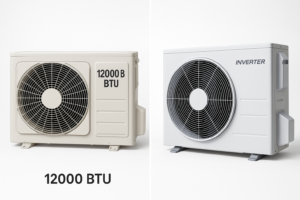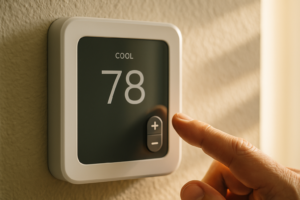


When your AC repair needs suddenly arise during a sweltering Florida summer, knowing what to expect can save you time, money, and a lot of stress. With temperatures regularly climbing into the 90s and humidity that makes it feel even hotter, a functioning air conditioner isn’t just a luxury in North Port, Sarasota, Venice, or Punta Gorda. It’s essential for your family’s comfort and safety. Understanding the basics of air conditioning repair helps you make informed decisions when something goes wrong.
Quick Answer: AC repair involves diagnosing and fixing problems with your air conditioning system’s components, including the compressor, refrigerant lines, condenser, evaporator coil, and electrical parts. Common repairs address refrigerant leaks, frozen coils, faulty thermostats, and worn parts. In Florida’s climate, most systems need repair attention every 3-5 years, with costs typically ranging from $150 to $600 depending on the issue’s complexity.
What Is AC Repair and Why Does It Matter in Florida?
AC repair is the process of identifying, diagnosing, and fixing malfunctions in your air conditioning system to restore proper cooling function. Unlike routine maintenance, which prevents problems, repair work addresses existing issues that cause your system to underperform or stop working entirely.
In Florida’s brutal climate, air conditioning repair takes on special importance. Our summers are long, hot, and humid, starting in April and often lasting through October. Additionally, salt air in coastal communities like Port Charlotte, Englewood, and Osprey accelerates corrosion on outdoor condenser units. Hurricane season brings power surges and debris damage. These factors mean Florida AC systems work harder and longer than units in most other states.
Moreover, a broken AC isn’t just uncomfortable in our climate. It becomes a health hazard. Indoor temperatures can quickly reach dangerous levels, particularly for children, elderly residents, and those with health conditions. Furthermore, high indoor humidity promotes mold growth, which threatens both your home’s structure and your family’s respiratory health. Therefore, timely AC repair protects not just your comfort but your wellbeing.
The longer you wait to address AC problems, the worse they typically become. For instance, a small refrigerant leak forces your compressor to work harder, potentially causing compressor failure that costs thousands to replace. Similarly, restricted airflow from a dirty evaporator coil can freeze the coil, leading to water damage inside your home.
7 Common Signs You Need AC Repair
Recognizing AC problems early helps you avoid emergency breakdowns during the hottest days of summer. Here are the most common warning signs Florida homeowners should watch for.
1. Weak Airflow From Vents
When you notice reduced air coming from your supply registers, something is restricting airflow through your system. This often indicates a failing blower motor, clogged air filter, or blocked ductwork. In some cases, the issue stems from a frozen evaporator coil caused by low refrigerant or restricted airflow.
Weak airflow makes your system run longer cycles to reach the set temperature, which increases energy bills and wears out components faster. Don’t ignore this problem, as it rarely improves on its own.
2. Warm Air Instead of Cold
If your AC blows warm or room-temperature air, you have a serious problem requiring immediate attention. The most common causes include refrigerant leaks, compressor failure, or a broken reversing valve on heat pump systems.
Refrigerant doesn’t get “used up” like gasoline in a car. Therefore, if your refrigerant level is low, you have a leak that must be found and repaired. According to the U.S. Environmental Protection Agency, proper refrigerant handling is essential to protect the environment and ensure system efficiency.
3. Strange Noises During Operation
Your AC should run relatively quietly with just a gentle hum. Unusual sounds signal specific problems. For example, grinding noises often mean worn motor bearings. Squealing typically indicates a loose or worn belt. Banging or clanking suggests loose parts inside the cabinet or compressor problems. Hissing sounds often point to refrigerant leaks.
In coastal areas like Nokomis and Laurel, salt air corrosion can cause components to break loose or fail, creating noise. Never ignore unusual sounds, as they indicate parts that could fail completely without warning.
4. Water Leaks Around Indoor Unit
Finding water pooled around your indoor air handler signals a problem with your condensate drain system. Florida’s high humidity means your AC removes substantial moisture from indoor air. This water should drain outside through a PVC pipe.
When the drain line clogs with algae, mold, or debris, water backs up and overflows. However, water leaks can also indicate a frozen evaporator coil that’s melting or, less commonly, a refrigerant leak since refrigerant lines can collect condensation.
5. Frequent Cycling On and Off
If your system turns on and off repeatedly in short intervals (short cycling), it’s struggling to operate properly. Common causes include an oversized system, thermostat problems, refrigerant issues, or a failing compressor.
Short cycling prevents your home from proper dehumidification, even if it reaches the set temperature. Furthermore, frequent starts put tremendous strain on the compressor, which is the most expensive component to replace. This problem requires professional AC repair diagnosis to identify the root cause.
6. High Energy Bills Without Usage Changes
When your electric bills spike without corresponding changes in your usage patterns or rates, your AC system is likely working inefficiently. This often indicates developing problems before you notice comfort issues.
Compare your bills to the same months in previous years. An increase of 15-20% or more suggests your system needs attention. Causes range from refrigerant leaks and failing capacitors to restricted airflow or a struggling compressor.
7. Unpleasant Odors From Vents
Foul smells coming from your vents indicate specific problems. Musty odors mean mold or mildew growth in your ductwork or on your evaporator coil, which is common in Florida’s humid climate. Burning smells suggest electrical problems or overheating motors. Chemical or sweet smells often indicate refrigerant leaks.
Never ignore unusual odors, as they can signal both system damage and health hazards. Mold exposure causes respiratory problems, while electrical issues create fire risks. For more detailed information on recognizing AC problems, check out our complete guide to AC repair for Florida homeowners.
How Does the AC Repair Process Work?
Understanding what happens during a professional AC repair visit helps you know what to expect and ensures you’re getting thorough service.
First, the technician performs a visual inspection of both your indoor and outdoor units. They check for obvious issues like damaged wiring, corrosion, refrigerant oil stains indicating leaks, or debris blocking the condenser. Next, they test system operation, running the AC through a complete cooling cycle while monitoring performance.
The diagnostic phase involves measuring key parameters. Technicians check refrigerant pressures, electrical voltage and amperage, airflow volume, temperature differentials, and thermostat accuracy. These measurements reveal what’s happening inside your system beyond what’s visible.
Once the problem is identified, the technician explains the issue, the required repairs, and the associated costs. Reputable companies provide transparent pricing before starting work. After you approve the repair, they complete the necessary work, which might involve replacing parts, fixing leaks, cleaning components, or adjusting system settings.
Finally, the technician tests the system again to verify the repair solved the problem. They should also check that the AC is cooling properly, maintaining correct pressures, drawing appropriate amperage, and operating safely. A professional provides documentation of the work performed and any recommendations for preventing future issues.
What Affects AC Repair Costs in Florida?
Several factors influence how much you’ll pay for AC repair, and understanding these helps you evaluate quotes and avoid surprises.
The type of problem significantly impacts cost. Simple repairs like replacing a capacitor or cleaning a clogged drain line typically cost $150-$300. Mid-range repairs such as fixing refrigerant leaks or replacing contactors run $300-$600. Major repairs like compressor replacement or fixing extensive refrigerant leaks can exceed $1,500-$2,500.
Your system’s age and type also matter. Older systems may require harder-to-find parts that cost more. High-efficiency systems and variable-speed equipment involve more complex technology that requires specialized knowledge. Similarly, ductless mini-split systems have different repair considerations than traditional central AC.
Additionally, refrigerant type affects costs. If you have an older system using R-22 refrigerant (Freon), repairs involving refrigerant are now extremely expensive because R-22 production stopped in 2020. Systems using newer R-410A refrigerant have lower refrigerant costs. This is one reason why severely leaking older systems often make more financial sense to replace rather than repair.
The time of service impacts pricing too. Emergency repairs during nights, weekends, or holidays typically include premium rates. Consequently, establishing a relationship with a trusted HVAC company for regular maintenance can help you avoid emergency situations.
Geographic factors within our service area play a role as well. Salt air in coastal areas like Port Charlotte, Venice, and Punta Gorda causes more corrosion, sometimes making repairs more complex. However, these regional differences are typically modest compared to other cost factors.
Finally, the contractor you choose affects the price. However, the cheapest option isn’t always the best value. Licensed, insured technicians with proper training provide more reliable repairs that last. They also protect you from liability if something goes wrong during the repair.
How Can You Prevent Common AC Repairs?
While some repairs are inevitable as systems age, many can be prevented or delayed through proper maintenance and attention to your system’s needs.
Schedule professional maintenance twice yearly, ideally in spring before summer’s heat and in fall before running heat. During these visits, technicians clean coils, check refrigerant levels, test electrical components, lubricate motors, inspect for developing problems, and optimize system performance. Regular maintenance typically costs $89-$250 per visit but prevents far more expensive repairs.
Change your air filter regularly, which is the single most important task homeowners can handle themselves. In Florida’s dusty conditions and with continuous AC use, most homes need new filters every 30-60 days. Clogged filters restrict airflow, causing frozen coils, reduced efficiency, and motor strain.
Keep your outdoor condenser unit clean and clear. Trim vegetation at least two feet away from all sides to ensure proper airflow. Rinse the outdoor coils with a garden hose monthly during high-use seasons to remove pollen, dust, and salt. Never use a pressure washer, as it can damage the delicate fins.
Moreover, address small problems quickly before they become major repairs. Strange noises, reduced cooling, or other warning signs indicate developing issues. Early intervention typically costs less than waiting until complete failure occurs.
Use a programmable or smart thermostat to reduce unnecessary system runtime. Raising your temperature setting by just a few degrees when you’re away reduces wear and tear. However, don’t set it so high that your system runs constantly trying to catch up when you return.
Ensure proper attic insulation and ventilation to reduce your AC’s workload. In Florida’s intense sun, poor attic conditions force your AC to work much harder. Similarly, seal air leaks around windows, doors, and ductwork to prevent cool air loss and humidity infiltration.
Finally, protect your system during hurricanes and storms. Turn off your AC at the breaker before hurricanes to prevent power surge damage. After storms, inspect your outdoor unit for debris damage before restarting the system.
When Should You Repair Versus Replace Your AC?
Deciding whether to repair or replace your AC system is one of the most important HVAC decisions Florida homeowners face. Several factors should guide this choice.
Consider your system’s age first. Most AC systems last 12-15 years in Florida’s demanding climate. If your unit is under 10 years old and needs a moderate repair, fixing it usually makes sense. However, if your system is over 12 years old and needs a major repair costing over $1,000, replacement often provides better long-term value.
The “50% rule” provides a useful guideline. Multiply the repair cost by your system’s age in years. If the result exceeds half the replacement cost, replacing typically makes more financial sense. For example, a $600 repair on a 14-year-old system equals $8,400, which likely exceeds half the replacement cost of a new system.
Refrigerant type matters significantly. If you have an R-22 system with a substantial refrigerant leak, replacement usually beats repair. R-22 refrigerant now costs $100-$150 per pound due to the phase-out, making leak repairs extremely expensive. Plus, you’ll face this same expensive problem again when another leak develops.
Additionally, consider your system’s efficiency. If you have an older, low-efficiency system, a new high-efficiency model can cut your cooling costs by 30-50%. These savings help offset the replacement cost over time. Furthermore, new systems often include advanced features like variable-speed operation, better dehumidification, and smart home compatibility.
Repair frequency is another factor. If you’re calling for repairs multiple times per year, you’re likely nearing the end of your system’s life. The cumulative cost and inconvenience of frequent repairs eventually exceeds replacement costs.
Finally, evaluate your long-term plans. If you’re planning to sell your home within 1-2 years, a repair might make sense even on an older system. Conversely, if you’re staying long-term, investing in a new efficient system provides years of reliable comfort and lower operating costs.
Frequently Asked Questions About AC Repair
How much does AC repair typically cost in Florida?
Most AC repairs in Florida range from $150 to $600, with simple fixes like capacitor replacement at the lower end and refrigerant leak repairs at the higher end. Emergency service, major component replacements, or hard-to-find parts can push costs higher.
How long does an AC repair usually take?
Simple repairs like replacing a capacitor or contactor typically take 30-60 minutes. Moderate repairs such as fixing drain clogs or replacing motors take 1-3 hours. Complex repairs involving refrigerant leaks or multiple components may require 3-6 hours or even multiple visits.
Can I repair my AC myself?
Homeowners can handle simple tasks like changing filters and cleaning around the outdoor unit. However, AC repair involving refrigerant, electrical components, or internal parts requires EPA certification and specialized training. DIY repairs on these components can void warranties, violate regulations, and create safety hazards.
What is the most common AC repair in Florida?
Capacitor failure is the most common AC repair in Florida due to the heat and long operating seasons. These small cylindrical components help start motors and maintain operation. Fortunately, capacitor replacement is relatively inexpensive at $150-$300 including service.
How can I find a reliable AC repair company?
Look for licensed and insured contractors with strong local reviews, transparent pricing, and technicians who explain problems clearly. Verify their license through Florida’s DBPR website. Moreover, established local companies with years of service in communities like Sarasota, North Port, and Englewood typically provide more reliable service than transient contractors.
Is AC repair covered by homeowners insurance?
Standard homeowners insurance typically doesn’t cover AC repairs from normal wear and tear. However, coverage may apply if the damage results from a covered event like lightning strikes, hurricane damage, or fallen trees. Review your specific policy or contact your insurance agent to understand your coverage.
When should I call for emergency AC repair?
Call for emergency service when your AC fails completely during extreme heat, you notice burning smells or sparking, refrigerant is actively leaking, or you have vulnerable family members whose health is at risk without cooling. Otherwise, next-day service often costs less than emergency rates.
Trust Manasota Cooling & Heating for Expert AC Repair
When your air conditioning system needs repair, you need a team you can trust to diagnose the problem accurately, provide honest recommendations, and complete the work right the first time. At Manasota Cooling & Heating, we’ve been serving homeowners throughout North Port, Port Charlotte, Sarasota, Venice, Punta Gorda, Englewood, Nokomis, Osprey, and Laurel with professional AC repair services that prioritize your comfort and budget. Our licensed technicians arrive with fully stocked trucks, transparent pricing, and the expertise to handle any air conditioning repair quickly and effectively. Whether you’re dealing with a complete breakdown on the hottest day of summer or you’ve noticed warning signs that something isn’t right, we’re here to help. Contact Manasota Cooling & Heating today to schedule your AC repair service and get your home’s comfort back on track.