

If you’ve been shopping for a new cooling solution in Southwest Florida, you’ve probably come across ductless mini-split systems. They’ve exploded in popularity over the last several years — and for good reason. But they’re not the right fit for every home or every situation. This guide breaks down exactly what they are, when they make sense, and what you should consider before making the switch.
What Is a Ductless Mini-Split Systems?
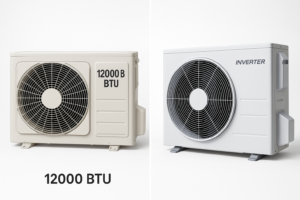
A ductless mini-split is a type of air conditioning (and heat pump) system that cools and heats your home without using ductwork. It consists of two main components: an outdoor compressor unit and one or more indoor air handler units mounted on the wall or ceiling of each room you want to condition.
Each indoor unit is connected to the outdoor unit by a small conduit that runs through a 3-inch hole in the wall — no major construction required. The indoor units blow conditioned air directly into the space, controlled independently via remote or app.
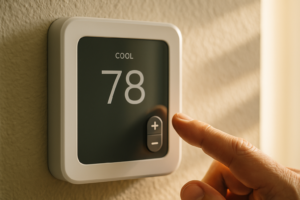
The “mini” part refers to the fact that systems can be sized for a single room or expanded into a multi-zone setup that handles an entire home, with each room having its own thermostat and control.
Why Mini-Splits Are Especially Popular in Florida
Florida homeowners have some unique reasons to consider a mini-split over traditional central AC:
Older homes without ductwork. Many Florida homes built before the 1980s — particularly smaller beach houses, cottages, and older construction — don’t have central duct systems at all. Installing ductwork in an existing home can cost $10,000–$20,000 or more. A mini-split system lets you add efficient, modern cooling without tearing apart your walls and ceilings.
Home additions and converted spaces. If you’ve added a sunroom, converted a garage, or enclosed a lanai, that space often isn’t connected to your existing HVAC system. A single-zone mini-split is frequently the cleanest and most cost-effective way to condition that space.
Rental units and in-law suites. A separate mini-split for a guest unit, garage apartment, or in-law suite means independent climate control and separate billing — no arguing over the thermostat.
Extreme efficiency. Mini-splits don’t lose energy through duct leakage, which is a significant issue in Florida. Studies show that in a typical ducted home, 20–30% of conditioned air can be lost through leaky ducts before it ever reaches the living space. Mini-splits deliver air directly to the room, which translates to lower electricity bills.
Variable speed compressors. Most modern mini-splits use inverter-driven compressors that adjust their output continuously rather than cycling on and off. This means more consistent temperatures, better humidity control, and significantly lower energy consumption — a major advantage in Florida’s punishing summer climate.
Potential Downsides to Consider
Mini-splits aren’t perfect for every application. Here’s what to weigh before committing:
Upfront cost can be higher for whole-home coverage. A single-zone mini-split for one room or addition costs $1,500–$3,500 installed. But if you’re replacing a full central air system for a 2,000 sq ft home with a multi-zone mini-split setup, you could be looking at $8,000–$15,000 — comparable to or more expensive than a high-efficiency central system.
Aesthetics. The wall-mounted indoor units are visible and, to some homeowners, less attractive than traditional ceiling vents. This is mostly a matter of preference, but it’s worth factoring in.
Maintenance. Mini-split indoor air handlers have filters that need cleaning every 2–4 weeks in heavy-use conditions (like a Florida summer). If this doesn’t happen, efficiency drops quickly and mold can develop in the unit — a particular concern in Florida’s humidity.
Not ideal for very open floor plans. Mini-splits condition the room they’re in, not your whole house. In a very open layout, you may need more zones than you’d expect to achieve even comfort throughout the space.
When a Mini-Split Is the Clear Winner
For certain situations in North Port and Southwest Florida, a mini-split isn’t just a good option — it’s the best option:
– Single-room additions, sunrooms, or Florida rooms that aren’t tied into your duct system – Homes with no existing ductwork (going central would require duct installation) – Garage conversions or workshop spaces where you want cooling only occasionally – Energy-focused homeowners who want the most efficient system money can buy – Supplemental cooling for a bedroom that your central system can’t keep up with
Mini-Split vs. Central AC: Which Is Right for You?
The honest answer: it depends on your home and your goal. If you have a well-sealed duct system and a home built around central air, a high-efficiency central system replacement will likely be your best value. If your home has no ducts, a problematic duct system, or you need cooling for a specific space that isn’t served by central air — a mini-split wins on both efficiency and cost.
The best way to know for certain is to have an HVAC professional assess your home, measure your cooling load, and walk you through both options with real numbers.
Manasota Cooling Installs Mini-Splits Throughout Southwest Florida
We install and service ductless mini-split systems across North Port, Port Charlotte, Sarasota, and the surrounding communities. Whether you’re conditioning a single room or planning a full home conversion, we’ll help you choose the right system and size it correctly for the Florida climate.
Contact us to schedule a no-pressure consultation and get a straight quote.