

Introduction
As a Florida homeowner, you’re likely no stranger to the intense heat and humidity that comes with living in the Sunshine State. Your HVAC system plays a vital role in maintaining a comfortable indoor environment, ensuring your home stays cool during sweltering summers and warm during the cooler months. However, to keep your HVAC system running efficiently and avoid costly repairs, regular maintenance is key.
In this blog post, we’ll explore essential HVAC maintenance tips specifically designed for Florida homeowners. These tips will not only help you maximize your system’s lifespan but also improve its energy efficiency, save on utility bills, and prevent inconvenient breakdowns. By following these HVAC maintenance practices, you can ensure that your system operates smoothly year-round.
Why HVAC Maintenance is Crucial for Florida Homeowners
Florida’s tropical climate means that HVAC systems are heavily relied upon throughout the year. Whether you’re cooling your home in the summer or heating it during the occasional cooler months, your HVAC system runs consistently. Over time, wear and tear can take its toll on your system, which is why regular maintenance is so important.
Here’s why HVAC maintenance is especially crucial in Florida:
- High Usage: HVAC systems in Florida work almost year-round due to the hot and humid weather. Regular maintenance ensures that your system remains operational during peak demand periods.
- Energy Efficiency: A well-maintained HVAC system operates more efficiently, reducing your energy consumption and lowering utility bills.
- Prolonged Lifespan: Consistent maintenance can extend the life of your HVAC system, preventing the need for early replacement.
- Healthier Indoor Air Quality: HVAC maintenance includes cleaning and replacing filters, which helps remove allergens and pollutants from the air, improving indoor air quality.
1. Schedule Regular Professional Maintenance
One of the best ways to ensure your HVAC system is always in optimal condition is to schedule regular professional maintenance. Professional HVAC technicians can perform detailed inspections, identify potential issues, and address them before they become costly problems.
What to Expect During an HVAC Maintenance Visit:
- Cleaning: Technicians will clean the coils, blower, and other components to ensure proper airflow.
- Filter Check/Replacement: The technician will inspect and replace dirty filters, which can restrict airflow and reduce efficiency.
- Refrigerant Levels: Low refrigerant levels can cause your system to freeze up and stop working effectively, so a technician will check and refill refrigerant as needed.
- Inspection: A thorough inspection of all system components, including the condenser, evaporator coil, ductwork, and thermostat, helps prevent unexpected breakdowns.
When to Schedule Maintenance:
It’s recommended that Florida homeowners schedule HVAC maintenance at least twice a year:
- Once in the spring before the cooling season begins
- Once in the fall before the heating season (if your HVAC system includes heating)
2. Change Your Air Filters Regularly
Air filters are crucial for the efficient operation of your HVAC system. Over time, they collect dust, dirt, and debris, which can restrict airflow and force your system to work harder. Dirty filters not only strain the system but can also lead to poor indoor air quality.
Why It’s Important to Replace Air Filters:
- Improved Air Quality: Clean filters trap allergens, dust, and other pollutants, contributing to healthier indoor air.
- Efficiency: Clean filters ensure that air flows freely through the system, allowing it to operate efficiently and preventing overheating or component damage.
- Energy Savings: Replacing dirty filters regularly can lower energy consumption, which helps you save on utility bills.
How Often Should You Replace Your Filters?
- Every 1-3 months: The frequency depends on factors like the type of filter, system usage, and the presence of pets or allergies.
- More frequently if you have pets or a dusty environment: If you live in a dusty area or have pets, you may need to replace your filters more often.
3. Clean Your Outdoor Unit
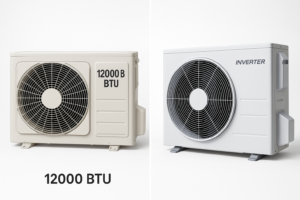
In Florida, your HVAC system’s outdoor unit is exposed to the elements and can easily become clogged with dirt, leaves, debris, and even grass clippings. A dirty outdoor unit can block airflow and reduce the system’s efficiency.
Steps to Clean Your Outdoor Unit:
- Clear the Area Around the Unit: Make sure there is at least 2 feet of clearance around the unit. Remove leaves, twigs, grass, or any other debris from the surrounding area.
- Gently Rinse the Unit: Using a garden hose, gently rinse the exterior of the outdoor unit to remove dirt buildup. Avoid using a pressure washer, as it can damage the unit.
- Check for Obstructions: Inspect the fan and fins of the unit for any blockages. Clear them away to ensure the unit is working efficiently.
Cleaning your outdoor unit can improve airflow, reduce strain on the system, and help it run more efficiently.
4. Monitor Your Thermostat Settings
Your thermostat plays a significant role in the overall efficiency of your HVAC system. Setting your thermostat too high or too low can cause unnecessary strain on the system, leading to higher energy costs.
Tips for Optimizing Thermostat Settings:
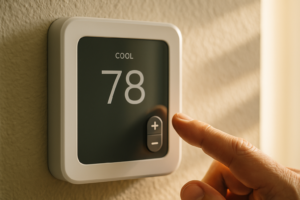
- Use a Programmable or Smart Thermostat: These devices allow you to set specific temperatures throughout the day. For example, you can raise the temperature when you’re not home and lower it before you return.
- Avoid Extreme Temperatures: Set your thermostat to a moderate temperature (e.g., 78°F for cooling). Avoid setting it too low, as this causes the system to work harder than necessary.
- Regularly Calibrate Your Thermostat: Ensure that your thermostat is calibrated correctly to avoid inaccurate temperature readings.
By adjusting your thermostat settings based on your schedule and comfort preferences, you can improve the efficiency of your HVAC system and save money on energy bills.
5. Seal Leaks in Ductwork
In Florida, where HVAC systems are used heavily, it’s crucial to ensure that your ducts are sealed properly. Leaky ducts allow conditioned air to escape, forcing your system to work harder to maintain the desired temperature.
Signs of Leaky Ducts:
- Uneven heating or cooling throughout your home
- Higher-than-usual energy bills
- Dust accumulation around vents
How to Seal Duct Leaks:
- Professional Duct Sealing: Call an HVAC professional to perform duct sealing and insulation if you suspect there are leaks.
- DIY Methods: For minor leaks, you can apply duct tape or a sealant to the visible gaps. However, professional duct sealing is recommended for optimal results.
6. Keep Your HVAC System Free of Clutter
While it’s easy to focus on maintaining the technical parts of your HVAC system, keeping the area around the unit clear is also essential. Clutter, such as furniture, boxes, or stored items, can block airflow and restrict your system’s performance.
Tips for Maintaining a Clear Space:
- Clear Away Furniture and Obstructions: Ensure that nothing is blocking the air vents inside your home.
- Keep the Outdoor Unit Clear: As mentioned earlier, ensure there is at least 2 feet of clearance around the outdoor unit for proper airflow.
7. Address Small Issues Before They Become Big Problems
Ignoring small issues with your HVAC system can lead to larger, more costly repairs down the line. Strange noises, inconsistent airflow, or unusual odors are all signs that something might be wrong.
Common HVAC Issues to Watch For:
- Strange Noises: Grinding, banging, or rattling sounds could indicate a problem with the motor or fan.
- Weak Airflow: This could be a sign of a clogged filter or a malfunctioning blower motor.
- Unusual Odors: Foul smells can indicate mold, mildew, or a burnt-out component.
If you notice any of these issues, call a professional HVAC technician to diagnose and repair the problem before it worsens.
Conclusion
By following these HVAC maintenance tips, Florida homeowners can keep their systems running efficiently, improve indoor comfort, and avoid costly repairs. Regular maintenance not only helps your HVAC system perform better but also extends its lifespan and ensures a healthier indoor environment.
At Manasota Cooling, we understand the importance of HVAC maintenance in Florida’s climate. Our team of expert technicians is here to help with everything from routine maintenance to emergency repairs. Don’t wait for your HVAC system to break down—schedule your maintenance appointment today and keep your home comfortable all year long.
For more HVAC maintenance tips or to schedule a maintenance check, contact Manasota Cooling at 941-352-0977 or email us at alex@manasotacooling.com. Keep your HVAC system in top shape with professional service from Manasota Cooling!