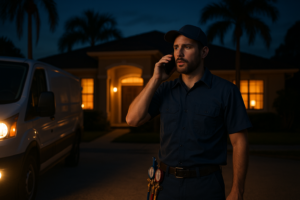


When your air conditioner fails at 2 a.m. during a sweltering Florida summer, you need 24 7 emergency hvac service that responds fast. In our humid coastal climate from North Port to Venice, a broken AC system isn’t just uncomfortable, it’s a genuine emergency that can affect your health, damage your home, and disrupt your entire household. Knowing what emergency HVAC service covers and when to call can save you from a miserable night and potentially prevent thousands in damage.
Quick Answer: 24 7 emergency hvac service provides immediate heating and cooling repairs any time of day or night, including weekends and holidays. Emergency technicians diagnose and fix critical system failures that leave your home without climate control. Most services arrive within 1-3 hours and handle refrigerant leaks, compressor failures, electrical issues, and complete system breakdowns that cannot wait until regular business hours.
What Is 24 7 Emergency HVAC Service?
Emergency HVAC service is professional heating and cooling repair available around the clock, seven days a week, regardless of holidays or time of day. Unlike scheduled maintenance or routine repairs, emergency service addresses sudden system failures that leave your home without adequate heating or cooling.
In Florida, where temperatures regularly exceed 90 degrees with crushing humidity from May through October, a functioning air conditioner isn’t a luxury. According to the Centers for Disease Control and Prevention, extreme heat causes more deaths annually than any other weather-related event. Therefore, when your AC fails during peak summer, it becomes a legitimate emergency, especially for elderly family members, young children, or anyone with respiratory conditions.
Emergency HVAC service typically costs more than standard repairs due to after-hours labor rates. However, the premium pays for immediate response when you need it most. Most reputable companies in Sarasota, Port Charlotte, and surrounding areas dispatch technicians within one to three hours of your call, even at midnight on Christmas.
The service covers diagnosis, repair, and sometimes temporary solutions to restore basic function until permanent repairs can be completed. Technicians arrive with fully stocked trucks containing common replacement parts, refrigerant, tools, and diagnostic equipment to handle most emergencies on the first visit.
6 Situations That Require 24 7 Emergency HVAC Service
Not every HVAC problem constitutes a true emergency. However, certain situations demand immediate professional attention regardless of the hour.
1. Complete System Failure During Extreme Weather
When your AC stops working entirely during a heat wave or your heater fails during one of Florida’s rare cold snaps, you’re facing an emergency. Indoor temperatures can quickly become dangerous, particularly for vulnerable household members. In fact, homes in direct sunlight can reach 120 degrees or higher within hours when AC fails during summer.
2. Refrigerant Leaks or Chemical Smells
If you smell chemicals, notice ice forming on refrigerant lines, or hear hissing sounds from your outdoor unit, you may have a refrigerant leak. Refrigerant exposure can cause health issues, and the leak will prevent your system from cooling effectively. Moreover, continuing to run a system with a refrigerant leak can damage the compressor, turning a moderate repair into a complete system replacement.
3. Electrical Issues or Burning Smells
Any burning smell, visible sparks, repeated circuit breaker trips, or electrical arcing requires immediate shutdown and emergency service. Electrical problems pose fire hazards and can damage expensive system components. Therefore, if you notice these signs, turn off your system at the breaker and call for emergency service immediately.
4. Water Leaks or Flooding
Significant water pooling around your indoor air handler, water dripping through ceilings, or backed-up condensate lines can cause serious property damage within hours. While condensate issues often relate to clogged drain lines rather than mechanical failures, the water damage they cause makes them genuine emergencies. Furthermore, standing water promotes mold growth, which becomes a health hazard in Florida’s humid environment.
5. Unusual Noises Indicating Mechanical Failure
Loud grinding, squealing, banging, or rattling sounds often indicate imminent mechanical failure. A failing compressor, damaged blower motor, or loose components can destroy themselves and other system parts if allowed to continue running. Consequently, strange noises that suddenly appear warrant immediate attention, especially if accompanied by reduced performance.
6. System Failure Affecting Vulnerable Household Members
Even moderate HVAC problems become emergencies when household members have health conditions exacerbated by temperature or humidity. Infants, elderly residents, and people with respiratory conditions, heart disease, or heat sensitivity need consistent climate control. Additionally, pets can suffer heat stroke remarkably quickly in Florida’s extreme temperatures.
How Does 24 7 Emergency HVAC Service Work?
Understanding the emergency service process helps you know what to expect when you need to make that urgent call. Emergency HVAC service follows a structured response designed to restore your comfort as quickly as possible.
First, you contact the emergency service line, which operates 24 hours daily. A dispatcher or answering service takes your information, assesses the situation’s urgency, and dispatches the nearest available technician. Most companies prioritize calls based on safety concerns, household vulnerability, and severity of the problem.
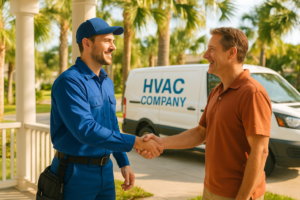
Next, the technician typically arrives within one to three hours, depending on your location and current call volume. Technicians for 24 7 emergency hvac service carry comprehensive diagnostic equipment and common replacement parts. Upon arrival, they assess your system, identify the problem, and explain your options before beginning work.
The technician then provides a cost estimate for the repair. Emergency rates typically include higher labor charges than standard service calls. However, reputable companies clearly explain costs upfront, giving you the choice to proceed, arrange temporary cooling solutions, or schedule less expensive repairs during regular hours if the situation allows.
Once you approve the work, the technician completes repairs whenever possible. Many emergency calls can be resolved immediately with parts carried on service vehicles. If your repair requires specialized parts or extensive work, the technician may implement temporary solutions to restore basic function until permanent repairs can be completed.
Finally, the technician tests the system to verify proper operation and explains what was done. You’ll receive documentation of the work performed, parts replaced, and recommendations for preventing future emergencies. Many companies also schedule follow-up inspections to ensure the repair holds up during demanding weather.
What Should You Do While Waiting for Emergency HVAC Service?
The time between calling for service and the technician’s arrival can feel long, especially during extreme weather. Several steps can help protect your home and keep household members comfortable while you wait.
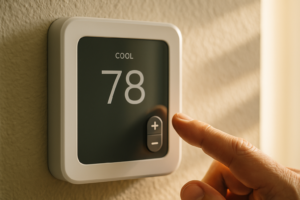
First, adjust your thermostat to reduce strain on the struggling system. If your AC is still running but not cooling effectively, raise the temperature setting by a few degrees. This reduces compressor stress and prevents further damage. Conversely, if you smell burning or notice electrical issues, shut down the system entirely at the circuit breaker.
Additionally, close blinds and curtains to block solar heat gain. Florida sunshine can add tremendous heat load to your home. Blocking direct sunlight significantly slows indoor temperature rise, particularly on west-facing windows during afternoon hours.
Furthermore, create a cool room strategy if possible. Close doors to unused rooms and focus on keeping one or two spaces comfortable. Ceiling fans help circulate air and make temperatures feel several degrees cooler through the wind-chill effect. Battery-powered fans provide options if electrical issues affect certain circuits.
You should also move vulnerable family members and pets to the coolest available space. Basements (rare in Florida but present in some homes), interior bathrooms, and north-facing rooms typically stay cooler. Meanwhile, ensure everyone stays hydrated with cool water and wears light, breathable clothing.
Consider temporary cooling alternatives while waiting. Cool showers or baths lower body temperature effectively. Damp washcloths on the neck and wrists help too. If temperatures become dangerous and the wait extends beyond a few hours, consider relocating to a friend’s home, hotel, or cooling center, particularly for vulnerable household members.
Finally, document the problem if possible. Take photos of water leaks, ice formation, or visible damage. Note when the problem started and any unusual sounds or smells. This information helps the technician diagnose issues more quickly upon arrival.
How Much Does 24 7 Emergency HVAC Service Cost?
Emergency HVAC service costs more than standard repairs due to after-hours labor rates, immediate response requirements, and weekend or holiday premiums. However, understanding typical pricing helps you budget and evaluate whether a situation truly requires emergency service.
Most companies charge an emergency service call fee ranging from $150 to $350 just for the technician to arrive and diagnose your problem. This fee typically applies to your repair cost if you proceed with the work. Standard daytime service calls usually cost $75 to $150 by comparison, so the emergency premium adds $75 to $200 to your base cost.
Labor rates for emergency repairs run substantially higher than regular hours. While standard HVAC labor might cost $100 to $150 per hour, emergency labor often ranges from $150 to $250 per hour. Overnight calls (typically midnight to 6 a.m.) command the highest premiums. Weekend rates fall in the middle, while evening and early morning calls cost slightly less than overnight service.
Parts costs remain relatively consistent regardless of when repairs occur. However, emergency situations sometimes require temporary solutions using available parts rather than ideal components. Consequently, you might pay for interim repairs plus scheduled follow-up work to install optimal parts during regular business hours.
Common emergency repairs vary widely in total cost. Replacing a failed capacitor might cost $200 to $400 during an emergency call. Repairing refrigerant leaks and recharging the system typically runs $500 to $1,500. Replacing a blower motor might cost $600 to $1,200 for emergency service. Complete compressor replacement can exceed $2,000 to $4,000 with emergency labor rates.
For perspective on HVAC costs in our region, you can review How Much Does It Cost to Replace Your AC in Florida? to understand when emergency repair costs approach replacement thresholds. Sometimes an aging system experiencing repeated emergency failures makes more financial sense to replace than repeatedly repair.
Most reputable HVAC companies offer financing options for emergency repairs since unexpected costs can strain household budgets. Additionally, some homeowners insurance policies cover HVAC failures caused by covered perils like lightning strikes or storm damage, though normal wear and tear typically isn’t covered.
The emergency service premium ultimately buys speed and availability. If your situation allows waiting until morning or Monday, you’ll save significantly on labor costs. However, when comfort, health, or property protection demands immediate attention, the premium becomes a worthwhile investment.
How Can You Prevent HVAC Emergencies?
While some emergencies occur without warning, proper maintenance and vigilant monitoring prevent many after-hours crises. Proactive care significantly reduces your risk of middle-of-the-night system failures.
Regular professional maintenance stands as the single most effective prevention strategy. Schedule service twice annually, ideally before cooling season (April in Florida) and before heating season (November). Professional technicians identify worn components, clean critical parts, and address small issues before they become emergency failures. Moreover, maintenance typically costs $150 to $250 per visit, far less than emergency repairs.
Change air filters consistently according to manufacturer recommendations. In Florida’s dusty, humid environment, filters often need monthly replacement rather than the quarterly schedule suggested for other climates. Clogged filters reduce airflow, strain blower motors, freeze evaporator coils, and cause numerous problems that lead to emergency failures.
Keep your outdoor unit clear of debris, vegetation, and obstructions. Trim plants at least two feet away from the unit on all sides. Remove leaves, grass clippings, and debris that accumulate around the base. Furthermore, ensure adequate airflow around the unit by avoiding storage or equipment placement that blocks air circulation.
Monitor your system’s performance and address changes quickly. Rising utility bills, reduced cooling power, longer run times, or unusual noises indicate developing problems. Addressing these signs during regular business hours costs substantially less than waiting for complete failure at 3 a.m.
Additionally, upgrade aging equipment before it fails catastrophically. HVAC systems typically last 12 to 15 years in Florida’s demanding climate. Systems approaching or exceeding this age face increasing failure risk. Planned replacement during shoulder seasons (spring or fall) gives you control over timing and costs, avoiding emergency situations during peak summer.
Install a programmable or smart thermostat if you haven’t already. These devices reduce system strain by minimizing unnecessary operation and provide maintenance reminders. Some smart thermostats even alert you to potential problems based on unusual system behavior, allowing you to schedule repairs before emergencies develop.
Finally, establish a relationship with a reliable HVAC company before emergencies occur. Companies often prioritize existing maintenance customers for emergency service and may offer better rates. Knowing who to call saves precious time when problems strike.
Frequently Asked Questions About 24 7 Emergency HVAC
What qualifies as an HVAC emergency?
Complete system failure during extreme weather, refrigerant leaks, electrical issues, significant water leaks, and situations affecting vulnerable household members qualify as true emergencies. Minor performance issues that don’t threaten comfort, health, or property can typically wait for regular business hours.
How quickly can emergency HVAC technicians arrive?
Most 24 7 emergency hvac services dispatch technicians within one to three hours of your call. Response times vary based on your location, current call volume, and weather conditions. Companies serving North Port, Punta Gorda, and Venice typically provide faster response than more remote areas.
Will emergency HVAC service cost more than regular repairs?
Yes, emergency service includes premium charges for after-hours labor, immediate response, and weekend or holiday availability. Emergency service call fees run $150 to $350 compared to $75 to $150 for standard calls, and labor rates increase by $50 to $100 per hour or more.
Can I prevent most HVAC emergencies?
Regular twice-yearly maintenance prevents 70 to 80 percent of emergency failures according to industry estimates. Additionally, changing filters monthly, keeping outdoor units clear, and addressing performance changes quickly significantly reduce emergency risk.
Should I attempt DIY repairs during an HVAC emergency?
No, HVAC systems involve high voltage electricity, pressurized refrigerant, and complex components requiring specialized tools and training. DIY attempts risk injury, void warranties, and often worsen problems. However, you can safely change air filters, clear debris from outdoor units, and reset tripped breakers while waiting for professional help.
Do emergency HVAC services operate on holidays?
Reputable 24 7 emergency hvac providers operate every day including major holidays like Christmas, Thanksgiving, and New Year’s Day. Holiday calls typically incur the highest premium rates due to technician availability challenges.
How do I find reliable emergency HVAC service in my area?
Research local companies before emergencies occur by reading reviews, verifying licenses and insurance, and asking neighbors for recommendations. Established companies with strong reputations in Englewood, Osprey, Nokomis, and Laurel typically provide better emergency service than fly-by-night operators.
Why Manasota Cooling & Heating Is Your Trusted Partner for Emergency HVAC Service
When your cooling or heating system fails unexpectedly, you need a company that responds quickly with skilled technicians and honest pricing. Manasota Cooling & Heating has served homeowners throughout North Port, Port Charlotte, Sarasota, Venice, Punta Gorda, Englewood, Nokomis, Osprey, and Laurel for years, building a reputation for reliable emergency service when you need it most. Our technicians arrive with fully stocked service vehicles, advanced diagnostic equipment, and the expertise to handle any emergency efficiently. We provide upfront pricing with no hidden fees, so you know exactly what to expect before work begins. Don’t suffer through another uncomfortable night or risk damage to your home. Call Manasota Cooling & Heating now for fast, professional 24 7 emergency hvac service that restores your comfort and peace of mind.